
To record rap vocals that sound professional, you need four things: a quiet room, a good microphone and preamp, a clean headphone mix, and a performance recorded in layers – a main take, doubles on the key lines, and adlibs. Set your levels so the loudest bars peak around -6 dB, record several full passes, then comp the best phrases into one flawless take. After that comes mixing: EQ, compression, and effects that place the voice right on top of the beat. This guide walks through the whole process step by step, whether you are recording rap vocals at home or booking a professional vocal recording session.
Table of contents
- What you need to record rap vocals
- How to record rap vocals: step by step
- Mic technique and levels for rap
- Doubles, adlibs and vocal stacking
- Recording rap vocals: home vs pro studio
- Mixing rap vocals: the basics
- Common mistakes to avoid
- Recording rap vocals in Dubai
- FAQ
What you need to record rap vocals
Great rap vocals start long before you hit record. Rap lives and dies on clarity, timing, and energy, so your signal chain has to capture every consonant and every breath cleanly. At a minimum you need five things:
- A quiet, treated space. Hard, echoey rooms smear your words. Even a closet with clothes or a few acoustic panels beats a bare bedroom.
- A capable microphone. A large-diaphragm condenser (like a Neumann U87) captures detail and air; a dynamic mic (like a Shure SM7B) handles loud, aggressive delivery and a less-than-perfect room.
- An audio interface or preamp. This converts your mic signal cleanly. A warm preamp such as a Tube-Tech MP2A adds body that makes a rap vocal feel expensive.
- Closed-back headphones. So the beat does not bleed into the mic, and so you can hear yourself clearly enough to stay on the pocket.
- A pop filter. Rap is full of plosives (hard P and B sounds). A pop filter stops the mic from popping on every punchline.
You do not need all of this to be world-class on day one. But each upgrade – better room, better mic, better preamp – makes the final record easier to mix and more competitive.
How to record rap vocals: step by step
Here is the workflow a professional engineer follows for almost every rap session.
1. Prep the beat and the headphone mix
Import the instrumental into your DAW and set a comfortable monitoring level. Many rappers like the beat slightly quieter than their own voice, with a touch of reverb on the vocal to feel confident. A good headphone mix is the single biggest factor in a strong performance.
2. Set your gain
Rap your loudest bars into the mic and watch the meters. Aim for peaks around -6 dB, leaving headroom so nothing clips. If you distort on the hardest lines, turn the gain down – clipped rap vocals cannot be fixed later.
3. Record the main take in full passes
Record the whole verse or hook top to bottom, three to five times, instead of punching in line by line. Full passes keep your energy and timing consistent. Save every take.
4. Record doubles and adlibs
Double the lines you want to hit hard (usually the hook and punchlines) by rapping them again in time with the first take. Then record adlibs – the “yeah”, “uh”, and echo words that give rap its movement.
5. Comp the best take
Listen back and build one flawless main vocal by choosing the best phrase from each pass. This is called comping, and it is how every clean rap record is made. (We cover it in depth in our guide to layering and stacking vocals.)
6. Edit, tune lightly, and hand off to mixing
Line up the doubles with the main take, clean up breaths and dead space, apply pitch correction only where needed, and you are ready to mix.
Mic technique and levels for rap
Technique matters as much as gear. Stand about a fist’s distance from the mic, slightly off-axis so the hardest sounds do not hit the capsule straight on. Keep that distance consistent – leaning in and out changes your tone and volume from line to line.
For delivery, commit. Rap rewards energy and attitude far more than a “safe” quiet take. If your loud bars push the levels too high, do not whisper; instead lower the gain and keep performing at full energy. Consistent distance plus consistent energy gives the engineer a vocal that sits perfectly in the mix with very little fighting.
Doubles, adlibs and vocal stacking
Modern rap is rarely a single voice. The thickness you hear on your favourite records comes from layers:
- Doubles: the same line performed twice (or more) and panned or stacked to widen and strengthen it.
- Adlibs: short reactions and echoes placed around the main line to add movement and personality.
- Harmonies and hook stacks: for melodic rap and sung hooks, stacked harmonies make the chorus lift.
Record these as separate tracks so you can balance them in the mix. The goal is a main vocal that stays clear and intelligible, with layers supporting it rather than burying it.
Recording rap vocals: home vs pro studio
You can start recording rap vocals with almost nothing, but the setup you choose decides how release-ready the result is. Here is an honest comparison.

| Setup | Typical gear | Sound quality | Best for | Price (Dubai) |
|---|---|---|---|---|
| Home / bedroom | USB mic, untreated room | Rough, roomy | Writing and practice | Free – AED 1,500 setup |
| Project studio | Condenser + interface, light treatment | Decent, needs work | Serious demos | ~AED 200-400/hour |
| Pro studio (engineer) | Neumann U87, Tube-Tech, treated booth | Release-ready tracking | Final vocals | From AED 450/hour |
| Turnkey with George | Full production, recording, mix and master | Radio-ready record | Artists who want a finished song | AED 600/hour, or turnkey from USD 5,000 |
The honest rule: record at home while you are writing and finding the flow, then track your real release in a proper room. A treated booth and a professional production chain remove the two things that make home rap vocals sound amateur – room reflections and a thin, noisy signal.
Mixing rap vocals: the basics
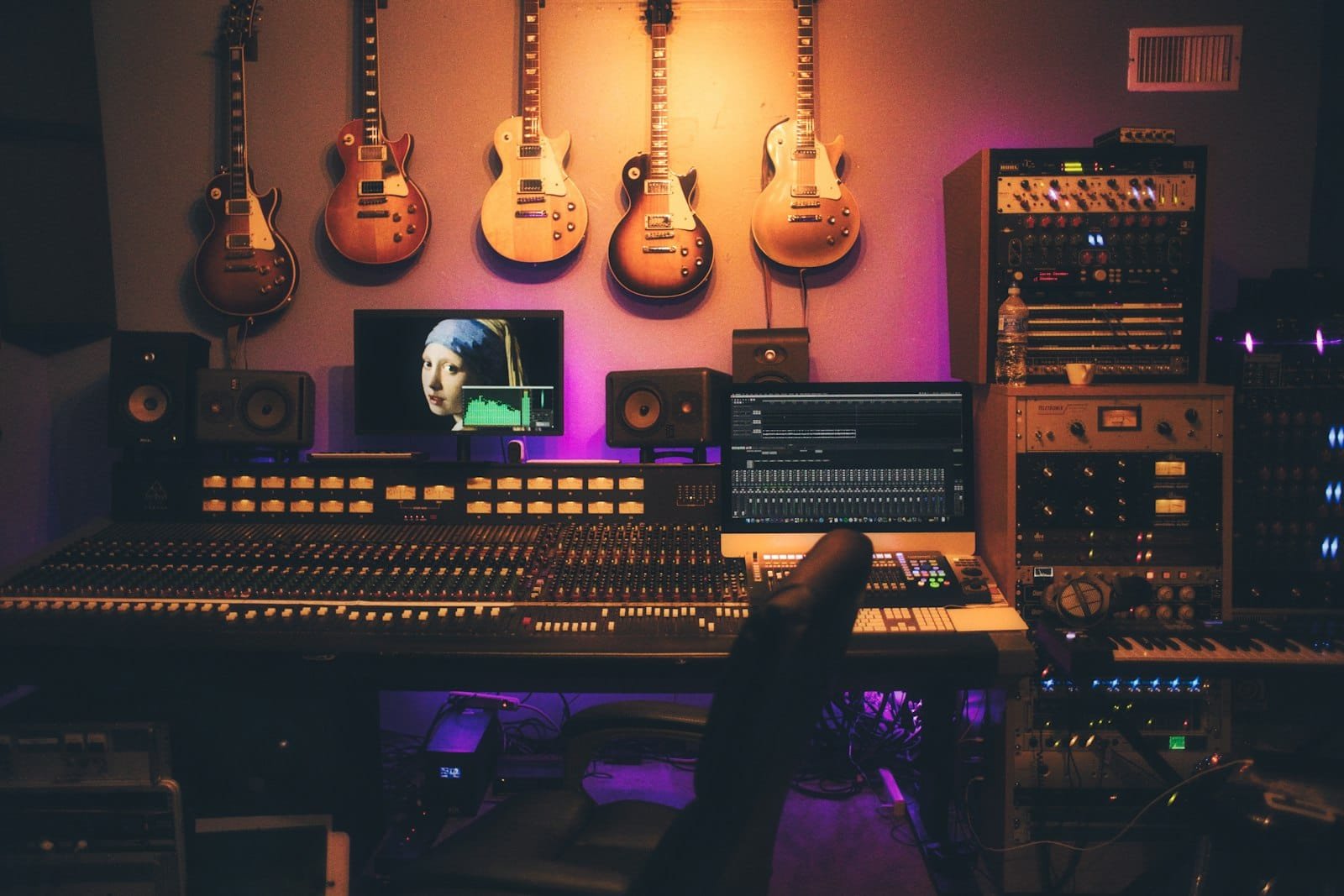
Mixing is where a good take becomes a finished record. For rap vocals, the core moves are:
- EQ: clean up low rumble, control boxy mids, and add a little high-end “air” so words cut through the beat.
- Compression: even out the loud and quiet bars so every word lands at the same confident level.
- De-essing: tame harsh S and T sounds that rap delivery can exaggerate.
- Effects: reverb and delay for depth, used tastefully so the vocal stays up front.
If you are mixing your own rap vocals, start with our deeper walkthrough on how to mix vocals, then consider professional mixing and mastering for anything you plan to release.
Common mistakes to avoid
- Recording too hot. Clipping is permanent. Leave headroom.
- One take, line by line. You lose energy and flow. Record full passes, then comp.
- Ignoring the room. A reflective space ruins even an expensive mic.
- No pop filter. Plosives will distract from every punchline.
- Burying the main vocal in layers. Doubles and adlibs support the lead – they should never swallow it.
- Over-tuning. Heavy pitch correction on rap can sound robotic. Use it with intention.
Recording rap vocals in Dubai
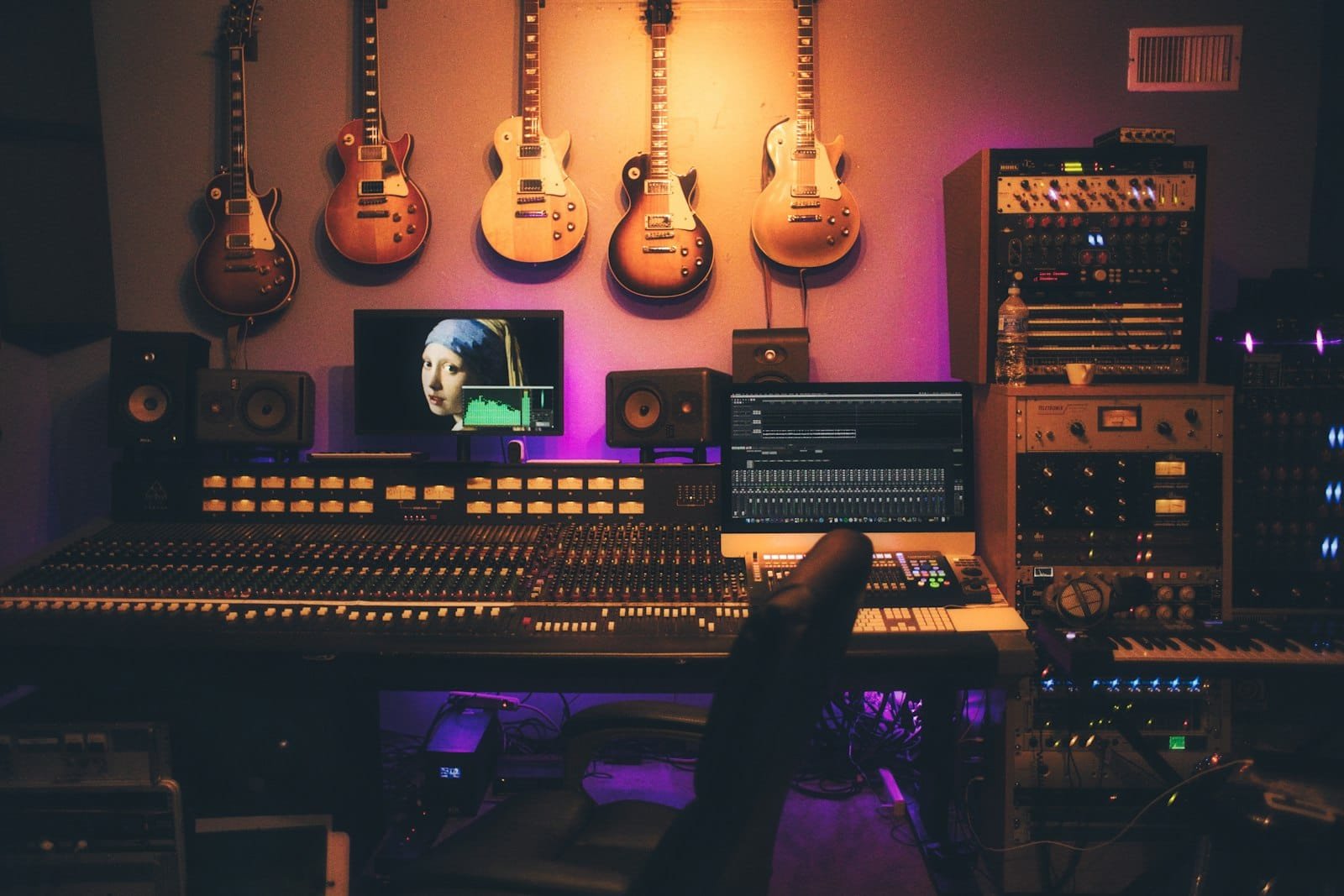
If you want your rap to sound like the records you look up to, the fastest path is a room built for it. At G Studio on Palm Jumeirah we track rap vocals through a Neumann U87 and a Tube-Tech MP2A chain in a properly treated booth – the same signal path behind professional releases. You can book an engineer by the hour, or work directly with George Yukhanov on a full turnkey record, from beat to final master.
What makes the studio different is who is in the room. George is a multi-platinum, award-winning author, composer and producer – in the top 5% of producers worldwide – and one of the rare producers at that level who works openly with newcomers. Whether you are recording your first verse or finishing a release, you get a record made to a professional standard.
Frequently asked questions
What microphone is best for recording rap vocals?
Both work. A large-diaphragm condenser like a Neumann U87 captures detail and air for a polished, modern sound. A dynamic mic like a Shure SM7B handles loud, aggressive delivery and a less-treated room very well. The treated room and a clean preamp matter as much as the mic itself.
How do I set levels for rap vocals?
Rap your loudest bars and set the gain so peaks land around -6 dB, leaving headroom so nothing clips. Clipped rap vocals cannot be repaired in the mix, so when in doubt, record a little quieter.
Should I record rap vocals in one take?
No. Record three to five full passes, then comp the best phrases into one flawless main take. Add doubles on the key lines and adlibs on separate tracks. This layered approach is how clean, professional rap records are made.
How many takes should I record?
Three to five full passes of each verse or hook is a good target. Full passes keep your energy and timing consistent, and give you enough material to comp a perfect take without losing the feel.
Can I record rap vocals at home?
Yes, for writing and demos. A USB or condenser mic in a treated corner gets you usable takes. For anything you plan to release, a treated booth and a professional chain will make the vocal sound dramatically more competitive.
How much does it cost to record rap vocals in Dubai?
At G Studio, sessions start from AED 450/hour with an engineer, or AED 600/hour working directly with George. Full turnkey song production – beat, recording, mix and master – starts from USD 5,000, depending on scope.
About the author. George Yukhanov is a multi-platinum, award-winning author, composer and producer with over 20 years in music, ranked in the top 5% of producers worldwide. He founded G Studio, a premium recording studio on Palm Jumeirah in Dubai, and is one of the few producers at his level who works openly with newcomers – from first-time rappers to established artists. Learn more at dubaimusicstudio.com.