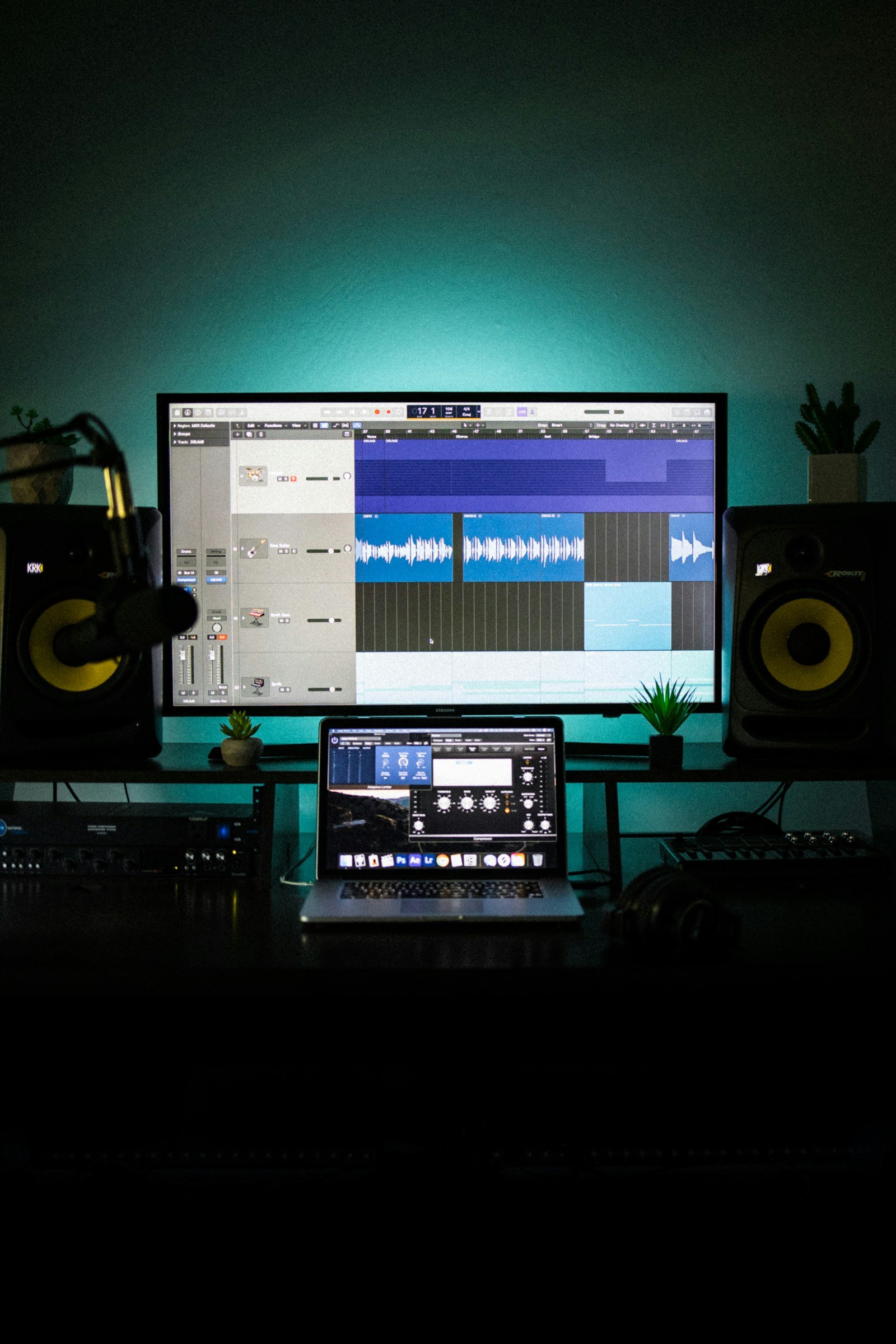
To make a pop beat, set your session to 100-130 BPM in 4/4, build a short 4-chord loop (a progression like I-V-vi-IV), program a clean kick-and-clap backbeat with a steady hi-hat, add a simple bass that follows the chord roots, and write one memorable topline or hook. Then arrange those parts into sections – intro, verse, pre-chorus, chorus – adding and removing layers so the chorus feels the biggest. That is the whole pop beat in one sentence; the rest of this guide shows you how to do each step well, the way we do it every week at G Studio on Palm Jumeirah.
Step 1: Choose tempo, key and feel
Pop is built for radio, playlists and dancefloors, so the tempo window is narrow. Most modern pop lives between 100 and 130 BPM, with a huge amount of it sitting right around 120 BPM. Mid-tempo ballads drop to 70-90 BPM (often felt in a half-time groove), while dance-pop pushes toward 124-128 BPM. Pick a tempo before you touch an instrument, because it changes how your drums and melodies breathe.
Key matters less than people think for pop – what matters is that the key suits the singer. If you are producing for a specific vocalist, ask for their comfortable range first. If you are writing an instrumental to pitch later, minor keys (A minor, E minor) and bright majors (C, G, D) are safe, flexible choices. Decide the overall feel too: euphoric and bright, moody and emotional, or playful and bouncy. That single decision guides every sound you choose next.
Step 2: Build the chord loop
Pop runs on loops. Rather than writing eight bars of ever-changing harmony, most hits repeat a four-chord pattern that the ear can grab instantly. The most famous of these is the I-V-vi-IV progression, which underpins a staggering number of chart songs across decades. Other reliable loops include vi-IV-I-V and I-vi-IV-V.
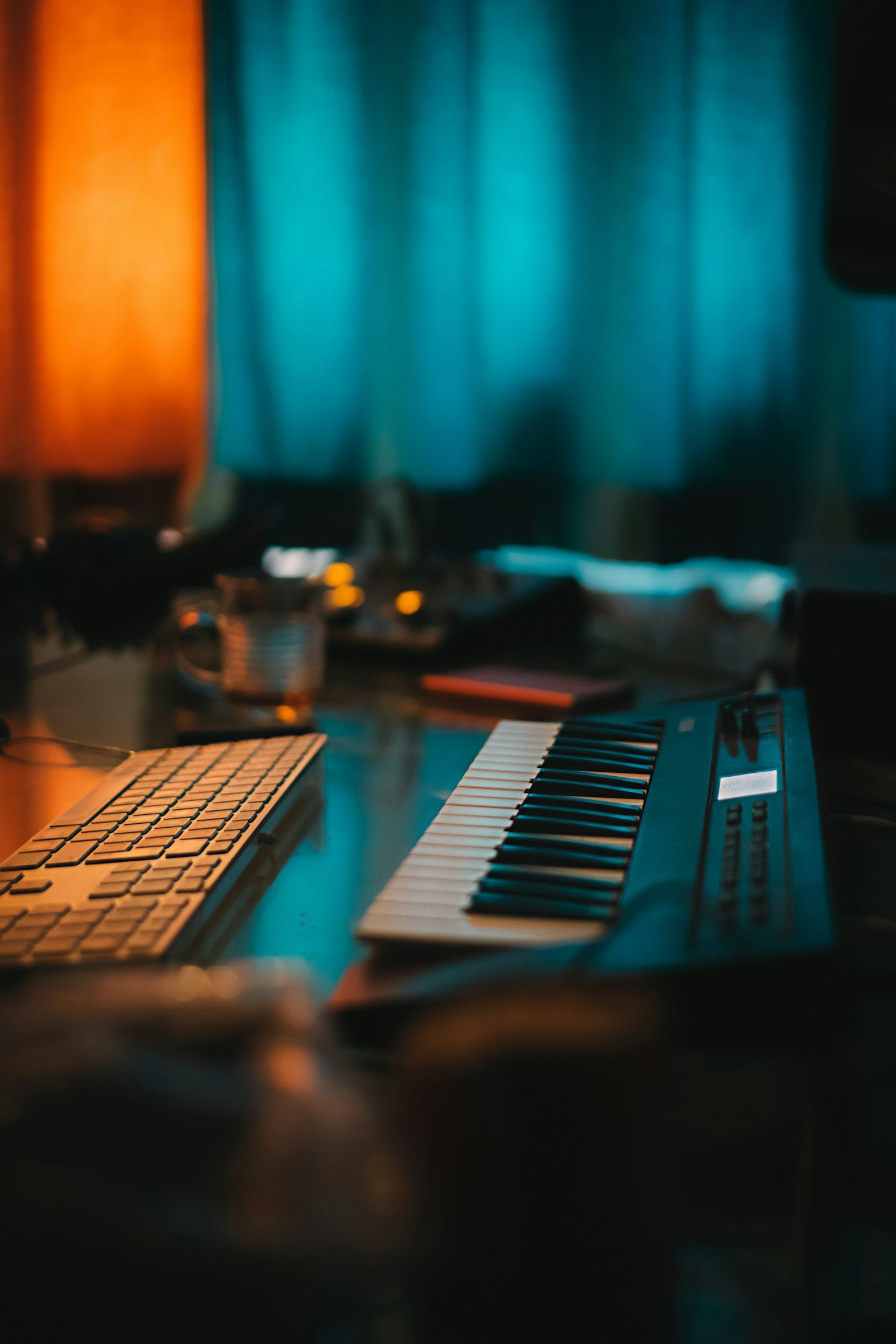
Start with a simple piano or soft synth pad and play the loop until it feels natural. Keep voicings tight and in the middle of the keyboard so they leave room for vocals later. Once the loop works, you can swap the piano for plucks, a warm electric piano, or a bright poly synth depending on the feel you chose in Step 1. If you want to go deeper on harmony, our guide to chord progressions for songwriting breaks down how to pick progressions that carry emotion.
Step 3: Program the drums and groove
The drums are what make a beat feel like pop. The template is simple and you should not overthink it:
- Kick – land it firmly on beat 1, usually on 1 and 3. Dance-pop often uses a four-on-the-floor kick on every beat.
- Snare or clap – this is the backbeat, on beats 2 and 4. A layered clap plus a snare, or a clap with a short reverb, is the classic pop sound.
- Hi-hats – a steady eighth- or sixteenth-note pattern keeps energy moving. Add an open hat at the end of a bar to pull the ear forward.
- Percussion and claps – shakers, tambourines and extra claps add life, especially in the chorus.
Program this on a loop and let it play while you tweak. The single biggest upgrade most beginners miss is groove: nudge the hats and claps slightly off the grid, or apply light swing, so the beat breathes instead of sounding robotic. If you want to see how the same drum logic changes across genres, compare this with our walkthrough of how to make a trap beat.
Step 4: Add bass, melody and ear candy
With chords and drums locked, the beat needs a low end, a lead idea, and small details that make it memorable.
Bass
Keep the bass simple at first – follow the root notes of your chord loop, mostly on beat 1 of each chord. A sub or synth bass works for dance-pop and pop-R&B; a plucked electric bass suits organic pop. Make sure the kick and bass are not fighting in the same frequency range; if the low end sounds muddy, that is usually the problem.
Topline and lead
Pop lives and dies by its hook. Even on an instrumental, sketch a lead line – a vocal chop, a synth motif, or a whistle melody – that could become the chorus hook. Keep it short, singable, and repeatable. If a real vocalist will top-line the beat, leave space and avoid a busy lead that competes with the voice.
Ear candy
These are the tiny moments that make listeners replay the song: a reversed cymbal into the chorus, a vocal “oh-oh” chant, a riser, a filtered drop before the beat kicks back in. Add two or three, not twenty.
Step 5: Arrange the sections
A loop is not a song. Pop arrangement is about contrast – making the chorus feel bigger than everything around it by taking things away before it and adding them back in. A dependable modern pop map looks like this:
- Intro (4-8 bars) – establish the main hook or chord loop, light instrumentation.
- Verse – strip back; often drums plus one or two elements so there is room to build.
- Pre-chorus – add energy and tension, bring in more percussion or a riser.
- Chorus – everything in: full drums, bass, chords, hook, ear candy. This is the payoff.
- Verse 2 / Pre / Chorus – repeat with small variations.
- Bridge – a contrast section, then a final, biggest chorus.
Aim to reach the first chorus by around 45-60 seconds and keep the whole track near 2:30-3:30. Modern listeners decide fast, so get to the good part quickly. For the songwriting side of this – turning a beat into a finished song – see our full guide on how to produce a pop song.
Step 6: Mix so it sounds finished
A great arrangement with an amateur mix still sounds amateur. You do not need to master mixing to get a solid pop beat, but a few moves go a long way: balance levels so the vocal (or lead) sits on top, carve space with EQ so the kick and bass do not clash, add light compression to glue the drums, and use reverb and delay to create depth without washing everything out. Reference a commercial pop track you love and match your loudness and brightness to it.
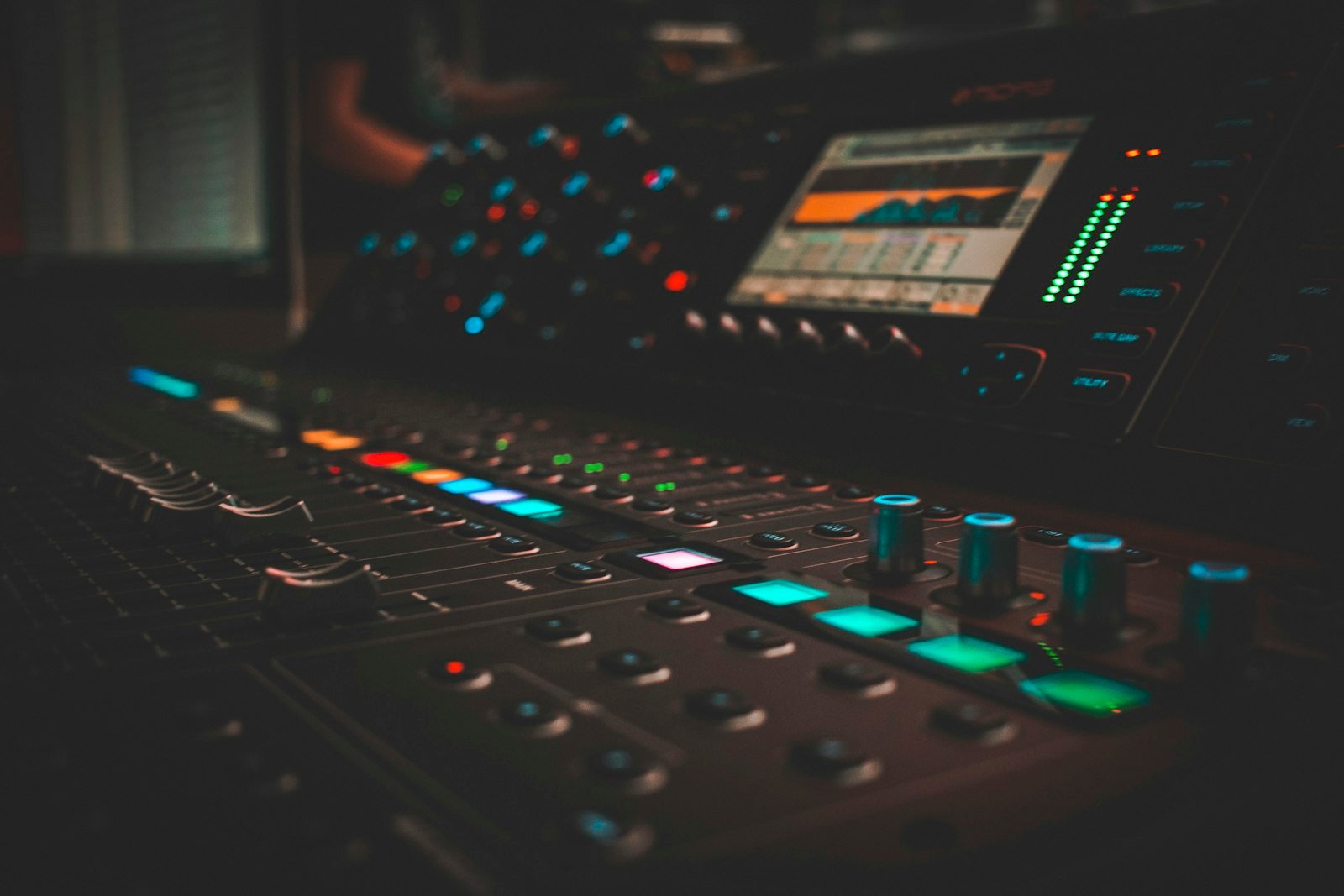
This is the stage where a professional room and ears make the biggest difference. If your beat is destined for release, our mixing and mastering service turns a rough idea into a competitive master, and our music production service can take your beat from a loop to a finished, radio-ready track.
Pop styles compared
“Pop” is an umbrella. Once you know the broad template, you dial it into a specific lane by changing tempo, drum feel and signature sounds. Here is a quick reference:
| Pop style | Typical BPM | Drum feel | Signature sounds |
|---|---|---|---|
| Mainstream pop | 100-120 | Kick on 1 & 3, clap on 2 & 4 | Piano/synth chords, big vocal hook, claps |
| Dance-pop | 120-128 | Four-on-the-floor kick | Side-chained synths, risers, bright leads |
| Pop-R&B | 70-95 (half-time) | Laid-back, swung hats | Smooth keys, sub bass, vocal chops |
| Synth-pop | 110-125 | Tight programmed drums | Analog-style synths, arpeggios, retro pads |
| Afro/Latin-pop crossover | 95-110 | Syncopated percussion grooves | Log drums or dembow, guitar plucks, shakers |
Want your pop beat to sound like a release, not a demo?
At G Studio on Palm Jumeirah we produce, record and mix pop records through a Neumann U87 and Tube-Tech signal chain. Studio time is 450 AED/hour with our engineer, or 600 AED/hour working directly with George, and full custom song production starts from $5,000. Book a session or ask a question here.
Frequently asked questions
What BPM is a pop beat?
Most pop sits between 100 and 130 BPM, with a large share around 120 BPM. Ballads and some pop-R&B drop to 70-95 BPM in a half-time feel, while dance-pop pushes to 124-128 BPM.
What chords are used in pop music?
Pop relies on short, repeating chord loops. The I-V-vi-IV progression is the most common, but vi-IV-I-V and I-vi-IV-V are everywhere too. The goal is a loop simple enough to feel instantly familiar.
What is the best DAW for making pop beats?
Any modern DAW can make professional pop – Ableton Live, Logic Pro, FL Studio and Studio One are all used on hit records. Choose the one whose workflow feels natural to you rather than chasing a “best” option; the ideas matter more than the software.
How long does it take to make a pop beat?
A rough loop can come together in 15-30 minutes. A fully arranged, mix-ready pop beat usually takes a few hours, and polishing it to a competitive, release-ready standard can take a full session or more once you factor in sound selection and mixing.
Do I need expensive gear to make a pop beat?
No. A laptop, a DAW and a decent pair of headphones are enough to start, and many hits were sketched exactly that way. Quality gear and an acoustically treated room matter most at the recording and mixing stages, which is where a professional studio earns its place.
How do I make my pop beat sound professional?
Focus on strong sound selection, a clear arrangement with a big chorus, and a clean mix. Reference commercial tracks, and when the song matters, have it professionally mixed and mastered – that final stage is usually what separates a demo from a record.