
Producing a pop song means turning a raw idea into a finished, release-ready record. You build the beat and chords, write a strong topline, arrange the sections, record and layer the vocals, then mix and master so it sounds polished on every speaker. In practice that is eight clear steps, and you can start today with a laptop, headphones, and a simple microphone. This guide walks through the whole process the way a working producer does it, with the shortcuts that save beginners the most time, plus what changes when you move from a bedroom setup to a professional studio in Dubai.
Table of Contents
- What it means to produce a pop song
- What you need to get started
- How to produce a pop song: 8 steps
- DIY vs hybrid vs studio: a comparison
- Common beginner mistakes
- Producing your pop song in Dubai
- FAQ
What It Means to Produce a Pop Song
Songwriting and production are not the same job. Writing gives you the melody, chords, and lyrics. Production is every decision that turns those bones into a record people actually hear: the tempo, the drum groove, the choice of sounds, how the sections rise and fall, how the vocal sits, and how the final file is balanced and loud enough for streaming. A great pop song can be written on a single guitar, but production is what makes it feel modern, exciting, and finished.
Modern pop is built in a digital audio workstation (DAW) such as Ableton Live, Logic Pro, FL Studio, or Studio One. Everything below happens inside one of these, so pick one and stay with it long enough to get fast.

What You Need to Get Started
You need less than you think. A laptop and a DAW are the core. Add a pair of closed-back headphones for writing, an audio interface, and one good condenser or dynamic microphone for vocals. A MIDI keyboard makes chords and melodies far faster to play in, but you can draw notes with a mouse to begin. Everything else, from premium preamps to acoustic treatment, improves quality but is not required to finish your first song.
The real starting materials are a reference track you love and a clear emotion you want the song to carry. Those two things guide every production choice that follows.
How to Produce a Pop Song: 8 Steps
This is the order most hits are actually built in. You will loop back and refine, but following the sequence keeps you from getting stuck.
Step 1: Pick a reference, key, and tempo
Choose one or two released songs that sound like the record you want. They set your target for energy, arrangement, and mix. Most pop sits between 90 and 130 BPM; up-tempo dance pop runs faster, ballads slower. Pick a key that fits the singer’s range so the chorus lands in a strong, comfortable part of the voice. Locking tempo and key first saves hours of re-recording later.
Step 2: Build the chord progression and groove
Lay down four to eight bars of chords that loop, then add a basic drum groove: kick, snare or clap, and hi-hats. Four-chord loops power a huge share of pop because they leave room for the vocal to shine. Add a simple bassline that follows the root notes. You now have a bed to write over. If you want more detail on building the rhythmic foundation, see our guide on how to make a beat.
Step 3: Write the topline
The topline is the lead vocal melody plus lyrics. Hum freely over your loop and record every idea on your phone. Find the hook first, the part a listener could sing back after one play, then build verses that leave space so the chorus feels like a lift. Keep the strongest melodic idea for the chorus and do not be afraid to repeat it.
Step 4: Arrange the sections
Map the song: intro, verse, pre-chorus, chorus, verse, chorus, bridge, final chorus is a reliable pop shape. Aim to reach the first chorus inside the first minute. Create contrast by removing elements in the verse and bringing them back for the chorus, so each section feels different. Our walkthrough on how to arrange a song covers this in depth.
Step 5: Choose and layer your sounds
Now make it sound like a record. Swap placeholder sounds for stronger ones, layer two or three synths or a synth and a piano to fatten chords, and add ear candy: risers, vocal chops, reverse cymbals, and small effects that pull the ear across transitions. Keep the low end clean by letting the kick and bass own it. Taste matters more than plugin count here.
Step 6: Record the lead vocal
The vocal is the center of almost every pop song, so give it the most care. Record in a quiet, treated space, keep a consistent distance from the mic, and capture several full takes so you can comp the best lines together. Warm up first and track while the emotion is fresh. See our guide to professional vocal recording for mic technique and setup.
Step 7: Add harmonies, ad-libs, and backing vocals
Stacked harmonies and doubled choruses are a signature of polished pop. Double the main chorus vocal, add a third and fifth harmony above or below, and sprinkle ad-libs to add personality and energy. These layers are what make a home demo suddenly sound professional.
Step 8: Mix and master
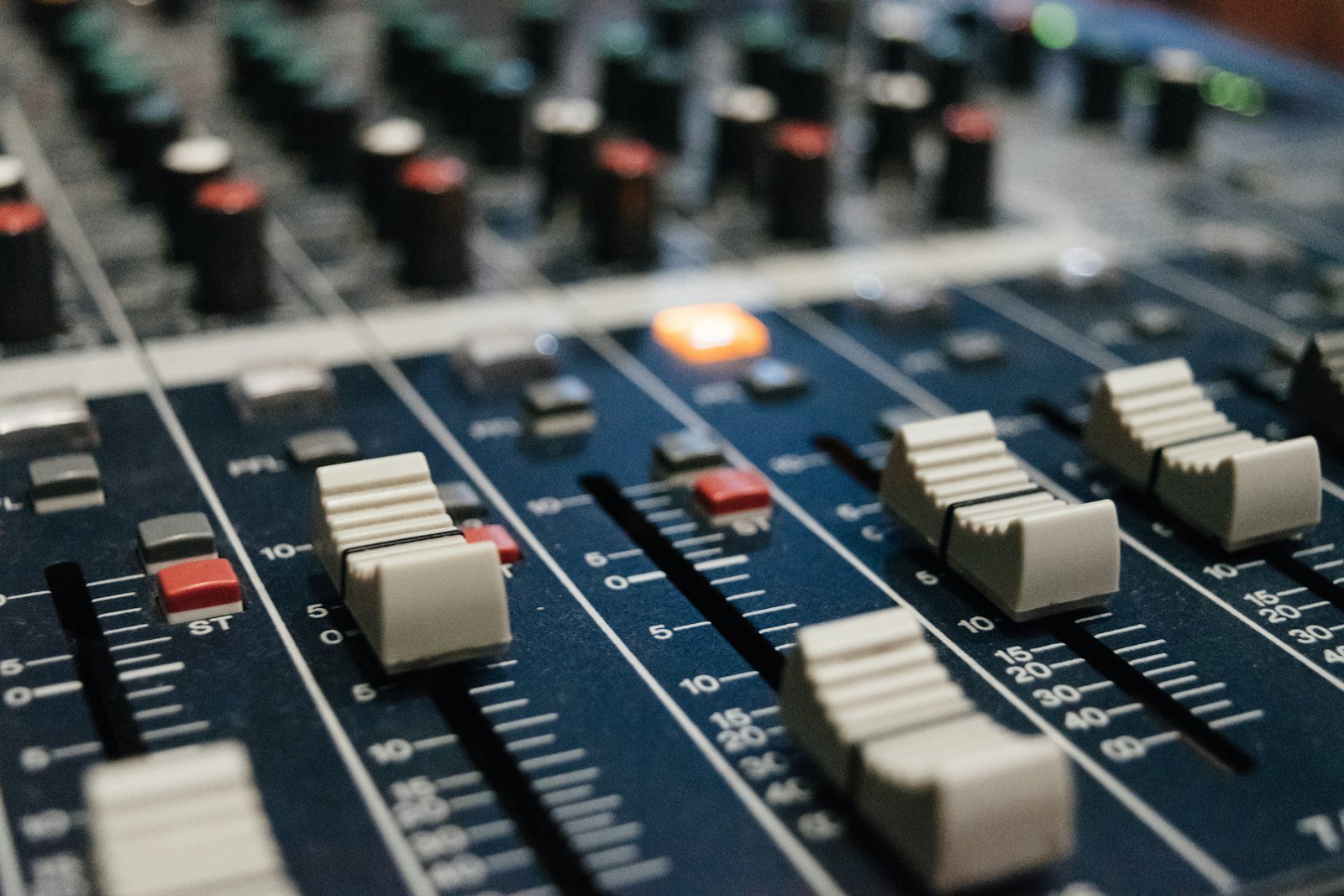
Mixing balances every element so nothing fights: levels, panning, EQ, compression, and reverb. Mastering then polishes the finished stereo file and brings it to competitive streaming loudness. Reference your favorite track often and check the mix on headphones, phone, and speakers. When you are ready for a professional finish, our mixing and mastering service delivers a release-ready master.
DIY vs Hybrid vs Studio: Which Route to Take
You can produce a pop song entirely at home, hand part of it to professionals, or work in a studio from the start. Each has a trade-off between cost, time, and quality.
| Approach | Best for | Typical cost | Result |
|---|---|---|---|
| Full DIY (bedroom) | Learning, demos, tight budgets | Your time + gear | Good ideas, often limited by room and mix skill |
| Hybrid (home write, studio record/mix) | Serious singles on a budget | From AED 450/hour (engineer) | Pro vocals and mix on your own production |
| Full studio production | Release-quality records | From AED 600/hour with George, or turnkey from USD 5,000 | Finished, competitive, radio-ready track |
Many artists start DIY, then book studio time for the parts that matter most: the lead vocal and the final mix. That hybrid path gives the biggest jump in quality for the least money.
Common Mistakes Beginners Make
A few habits hold most first productions back. Chasing a perfect mix before the song and arrangement are strong is the biggest one; a weak song will not be saved by plugins. Adding too many layers muddies the track, so subtract until every sound has a job. Recording the vocal in an untreated, echoey room is hard to fix later. And ignoring your reference track means losing the target that keeps arrangement, tone, and loudness on course. Finish songs rather than endlessly tweaking one; finishing is the skill that improves fastest.
Producing Your Pop Song in Dubai
If you want the fastest path from idea to a finished record, producing in a professional room changes everything, especially the vocal. At G Studio on Palm Jumeirah, tracks are recorded through a Neumann U87 and a Tube-Tech MP2A chain, the same class of gear behind commercial releases. You can bring a home demo for us to finish, book an hour to capture a pro vocal, or commission a full turnkey production. We also work openly with complete beginners, which is rare at this level, so a first-time artist gets the same tools and attention as a seasoned one.
Frequently Asked Questions
How long does it take to produce a pop song?
A focused producer can build a solid demo in a day. A fully produced, mixed, and mastered release usually takes several sessions over one to three weeks, depending on how many revisions and vocal layers the song needs.
Can I produce a pop song with no experience?
Yes. Start with a reference track, a simple four-chord loop, and a clear hook, then follow the eight steps above. Your first songs are for learning. Working alongside an experienced producer shortens the learning curve dramatically.
What software is best for producing pop music?
Ableton Live, Logic Pro, FL Studio, and Studio One are all used on hit records. Any of them can produce professional pop, so choose one and learn it well rather than switching constantly.
Do I need to play an instrument to produce pop?
No. You can program chords, drums, and melodies with a mouse or a MIDI keyboard. Basic piano skills speed things up, but many top producers are programmers first and players second.
How much does it cost to produce a pop song professionally?
Studio recording in Dubai starts around AED 450 per hour with an engineer or AED 600 with George, and full turnkey song production starts from USD 5,000, depending on scope. A hybrid approach keeps costs lower while still getting pro vocals and a pro mix.
What is the difference between producing and songwriting?
Songwriting creates the melody, chords, and lyrics. Producing is every decision that turns the song into a finished recording: sounds, arrangement, recording, layering, mixing, and mastering.
Produce Your Next Song With a Multi-Platinum Producer
This guide was written by George Yukhanov, a multi-platinum, award-winning author, composer, and producer with more than 20 years in music and songs that have passed 500M views and 50M streams. He ranks among the top 5% of producers worldwide and is the rare multi-platinum producer who works openly with newcomers. At G Studio on Palm Jumeirah, he produces turnkey pop songs and develops artists from their very first session. Explore music production at G Studio or read more about record production.