
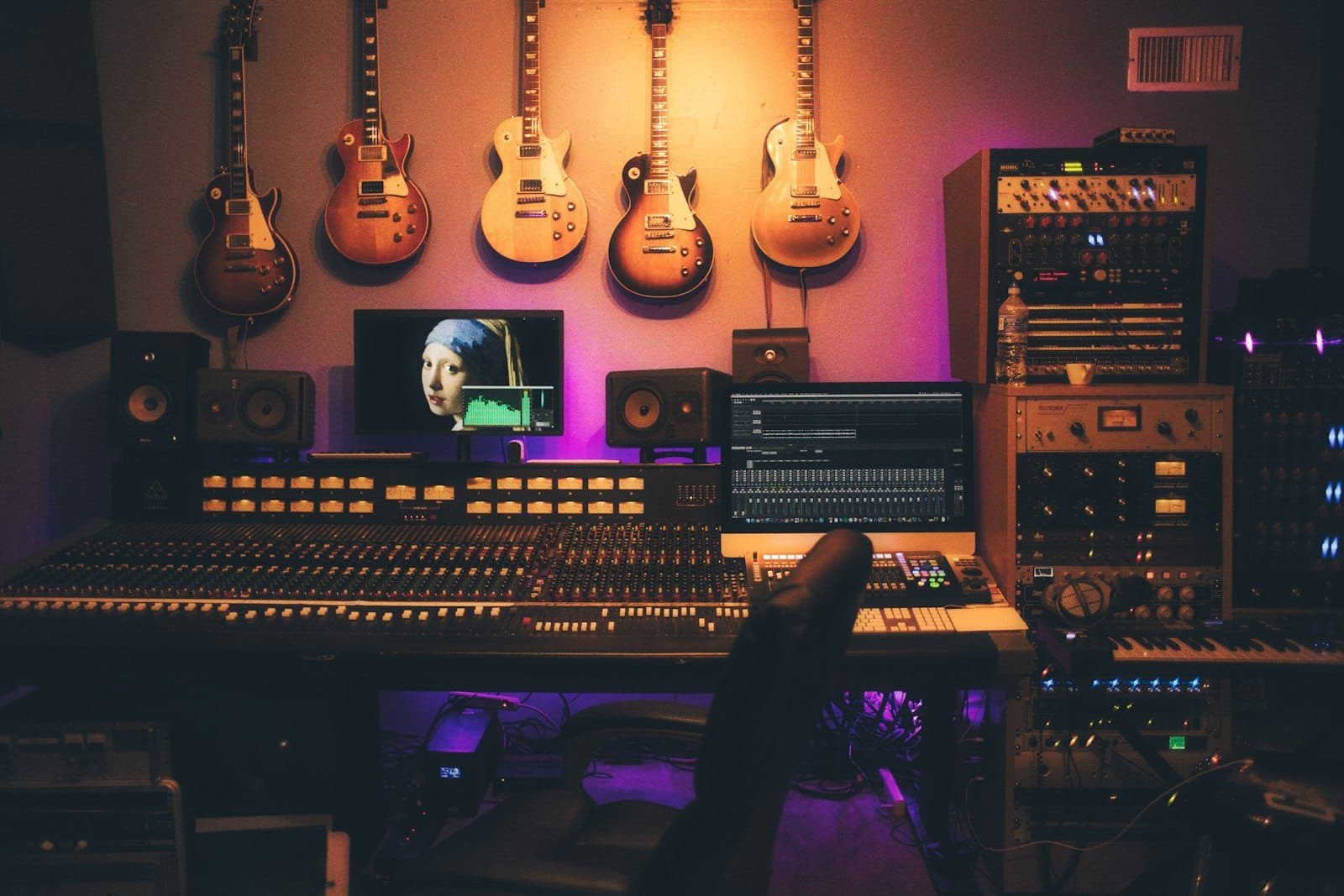
To make a house beat, set your project to 120–128 BPM, program a four-on-the-floor kick on every beat, place open hi-hats on the off-beats and a clap on beats 2 and 4, then add a rolling bassline and a simple chord or stab that sidechains to the kick. That five-element skeleton — kick, hats, clap, bass, chords — is the entire foundation of house music. Everything else, from deep moody pads to peak-time energy, is a variation on it. This guide walks you through each layer step by step, shows how the main house subgenres differ, and explains how to turn a loop on your laptop into a finished, release-ready track.
- What actually makes a beat “house”
- Step 1: Tempo and project setup
- Step 2: Programming four-on-the-floor drums
- Step 3: Writing the bassline
- Step 4: Chords, stabs and the house feel
- Step 5: Arranging intro, build and drop
- Step 6: Mixing for a club system
- House subgenres compared
- Common beginner mistakes
- FAQ
What Makes a Beat “House”
House music was born in Chicago clubs in the early 1980s, and its signature has barely changed since: a steady four-on-the-floor kick, a tempo around 120–128 BPM, and a hypnotic, repetitive groove built for dancing. According to the genre’s documented history, that insistent kick on every quarter note is the single element that separates house from hip-hop, trap or pop. Where a trap beat leans on syncopated 808s and rolling hi-hats, house is about relentless forward motion and space between the hits.
If you can internalise that one idea — the kick never stops, and everything else breathes around it — you already understand house production better than most beginners. The rest of this guide is about layering taste on top of that pulse.
Step 1: Set Your Tempo and Project
Open your DAW — Ableton Live, FL Studio, Logic Pro, Bitwig or whatever you already know — and create a new project at 124 BPM. That’s the comfortable centre of the house tempo range: deep and soulful house sits closer to 120–122, while tech house and peak-time club tracks push toward 126–128. You can always nudge it later, but 124 gives you room in either direction.
Set your project to a 4/4 time signature and switch on the metronome for now. House lives and dies on timing, so before you place a single sound, make sure your grid is visible and your snap-to-grid is on. If you’re brand new to the whole process, our guide on how to make a beat covers DAW basics that apply to any genre.
Step 2: Program the Four-on-the-Floor Drums
The drums are 80% of what makes a house beat feel like house. Build them in this order.
The kick drum
Place a kick on every single beat — beats 1, 2, 3 and 4. This is the four-on-the-floor pattern and it is non-negotiable in house. Choose a kick with a tight, punchy body rather than a long booming 808 tail; house kicks need to hit and get out of the way so the next one lands cleanly. A kick around a C or C# fundamental sits well with most basslines.
Hi-hats and open hats
Programme a closed hi-hat on every sixteenth note, or at minimum on the off-beats, to create drive. Then — and this is the classic house move — put an open hi-hat on the “and” of each beat (the off-beats, exactly between the kicks). That open hat ringing out against the kick is the bouncy, swinging texture your ears recognise instantly as house. Add a touch of swing (around 54–58%) to loosen the grid and make it groove instead of march.

Clap, snare and percussion
Layer a clap (and often a snare underneath it) on beats 2 and 4 — the backbeat. A clap-plus-snare combination gives you both the crack and the body. Finally, sprinkle percussion: shakers, congas, rimshots, a ride. These extra layers are where deep house and Afro house get their organic, human feel. Keep them quiet; they are seasoning, not the main dish.
Step 3: Write the Bassline
House basslines are usually simple, rolling and rhythmic rather than melodic showpieces. A common pattern is an off-beat bass that plays in the gaps between the kicks — this is what gives house that pumping, pushing momentum. Use a clean sine or a classic analog-style bass sound, keep it mostly in the lower octaves, and lock it tightly to the kick.
To stop the kick and bass from fighting for the same low-frequency space, apply sidechain compression to the bass triggered by the kick. Every time the kick hits, the bass ducks for a split second, then swells back — the famous “pumping” effect that is practically the sound of modern house itself.
Step 4: Chords, Stabs and the House Feel
Now add harmony. House loves lush, jazzy seventh and ninth chords played on an electric piano, organ or warm synth pad. Keep the progression short — two to four chords looped is completely normal. A classic approach is a single chord “stab” played on the off-beats, sidechained to the kick just like the bass, so it pumps in time with the groove.
For the deep, emotional sound, hold longer pads and pick minor chords; for energy, use shorter, brighter stabs. This is the layer where your track gets its mood and identity. For a deeper look at building progressions, our walkthrough on producing a full song shows how harmony and arrangement work together.
Step 5: Build the Arrangement
A looping eight-bar idea is a beat; a track needs an arrangement that takes a dancefloor on a journey. House follows a predictable and DJ-friendly structure:
Intro (drums and percussion only, 16–32 bars, so DJs can mix it in) → build (add bass, then chords, raise tension) → drop / main section (everything in, the full groove) → breakdown (strip the kick away, let the chords and atmosphere breathe) → second drop (bring the energy back, often bigger) → outro (reduce back to drums for mixing out). Arrange your elements along this timeline and your loop becomes a record.
Step 6: Mix So It Hits on a Club System
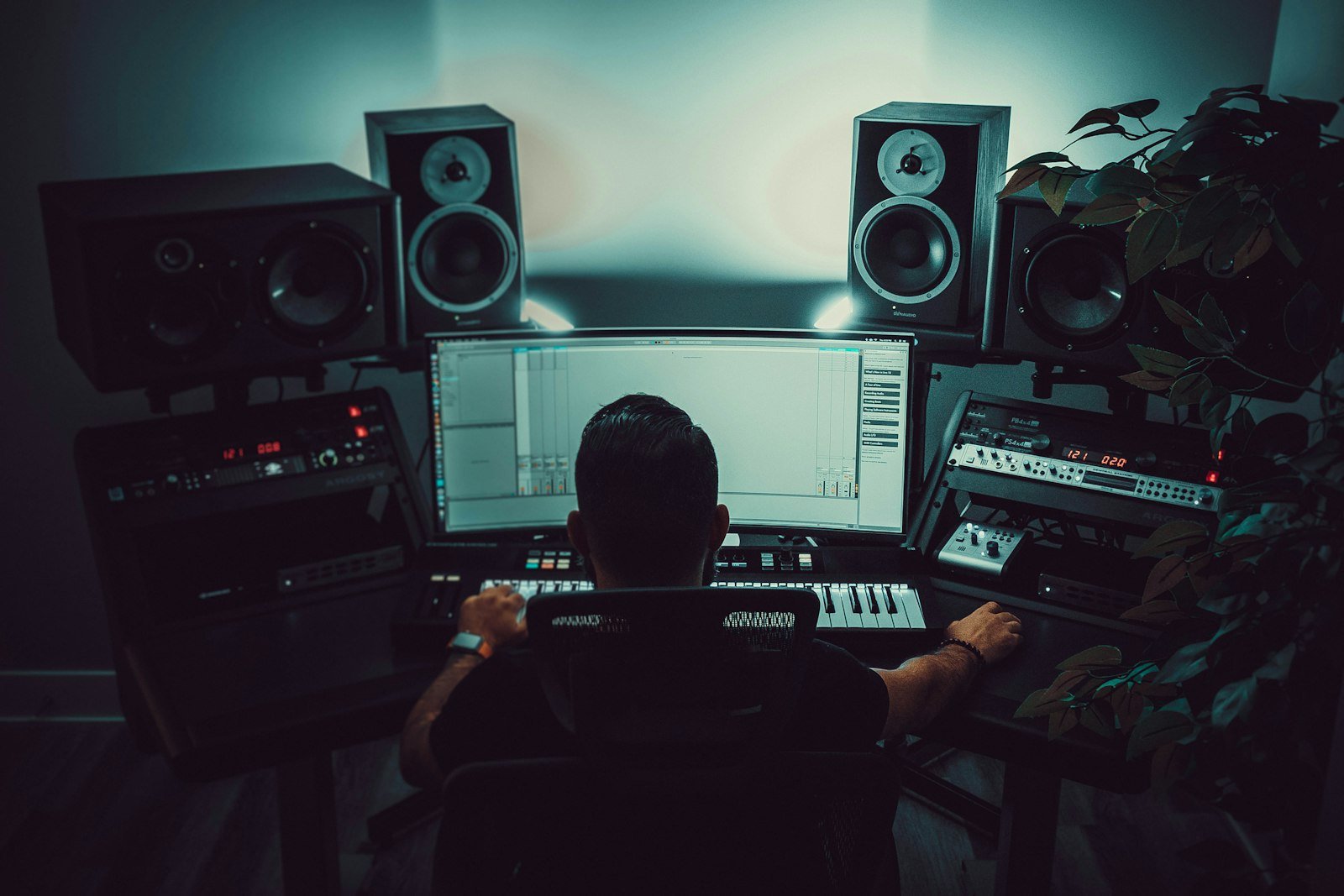
House is engineered for big speakers, so your mix matters more than in almost any other genre. Keep the kick and bass mono and centred, give the kick priority in the low end, and use that sidechain to carve space. Pan percussion and hi-hats slightly to widen the stereo image. Add a short reverb to claps and pads for depth, but keep the groove elements dry and tight.
Reference your mix on headphones, laptop speakers and a car, because a beat that sounds huge in your room can collapse on a phone. When you’re ready to make it loud, glued and competitive with commercial releases, that’s the job of professional mixing and mastering, and our guide on how to mix a song breaks the process down further.
House Subgenres at a Glance
“House” is an umbrella. Once you can build the core beat, small changes in tempo, drums and bass push it into a specific flavour:
| Subgenre | Typical BPM | Drum feel | Bass character | Mood |
|---|---|---|---|---|
| Deep House | 120–124 | Soft, swung, organic percussion | Round, warm, sub-heavy | Smooth, soulful, late-night |
| Tech House | 124–128 | Tight, minimal, punchy | Rolling, driving off-beat | Hypnotic, club-focused |
| Afro House | 120–125 | Rich live percussion, congas | Melodic, organic | Earthy, tribal, uplifting |
| Progressive House | 124–128 | Full, layered, energetic | Big and melodic | Epic, emotional, festival |
Common Mistakes Beginners Make
The three things that most often give away an amateur house beat: the groove is too stiff (no swing, everything dead on the grid), the low end is muddy (kick and bass clashing with no sidechain), and the arrangement never changes (a loop that just repeats for three minutes with no build or breakdown). Fix those three and your tracks will immediately sound more professional. The fourth, quieter mistake is mixing too loud in your own room and never referencing elsewhere — which is exactly why a trained second pair of ears is so valuable.
From Bedroom Beat to Finished Record
You can get a long way on your own, and you should — making beats is how you learn. But there is a real gap between a loop that sounds good in your headphones and a master that holds up next to a commercial release on a club system. That gap is craft: arrangement choices, low-end control, and the final mix. Working alongside an experienced producer shortens years of trial and error into a few focused sessions.
Ready to turn your house beat into a finished track? Book time at G Studio and produce it on premium gear with a multi-platinum producer. Sessions are 450 AED/hour with an engineer or 600 AED/hour directly with George, and full song production starts from $5,000. Explore G Studio or go straight to mixing & mastering to get your track release-ready.
Frequently Asked Questions
What BPM is house music?
House music typically ranges from 120 to 128 BPM, with 124 BPM as a safe centre. Deep and soulful house sits at the lower end (120–122), while tech house and peak-time club tracks run 126–128.
Do I need expensive gear to make a house beat?
No. You can make a complete house beat with just a laptop and a DAW using stock sounds. Gear and acoustics matter most at the mixing and mastering stage, when you want the track to compete on a real club system — which is where a professional studio adds the most value.
Which DAW is best for making house?
Ableton Live is the most popular choice for house and electronic music because of its loop-based workflow, but FL Studio, Logic Pro and Bitwig are all fully capable. The best DAW is the one you’ll actually learn deeply.
How long does it take to make a house beat?
A solid eight-bar house loop can take under an hour once you know the steps. Turning that loop into a fully arranged, mixed and mastered track usually takes several focused sessions — the beat is the beginning, not the end.
Why does my house beat sound flat or amateur?
Usually three reasons: no swing (too rigid), no sidechain compression (muddy low end where kick and bass clash), and no arrangement (a loop that never builds or breaks down). Fix those and it will immediately sound more professional.
Can I get my house track professionally mixed in Dubai?
Yes. G Studio on Palm Jumeirah offers professional mixing and mastering for electronic and house tracks, from 450 AED/hour, so your beat translates properly to club and streaming systems.