
To make an amapiano beat, set your tempo to around 112-115 BPM, lay down a swung drum groove with shakers and a rim-style kick, add the signature rolling log drum bassline, and build lush jazzy chords on an electric piano. Amapiano is a South African sound born in the townships of Pretoria and Johannesburg, and its magic lives in the space between the elements: deep, patient grooves, warm chords, and that unmistakable log drum that slides and talks underneath everything. This guide walks you through the whole process, from tempo to final bounce, so you can build a track that breathes.
What is an amapiano beat?
Amapiano, from the Zulu word for “the pianos,” is a genre that grew out of South African house, kwaito, and 90s deep house during the 2010s. It is defined by a slow-to-mid tempo, broad and airy percussion, soulful electric-piano chords, and a deep, melodic bassline called the log drum. Where many electronic genres fill every bar, amapiano does the opposite: it leaves room. The groove is patient, almost conversational, and the listener leans in rather than being pushed.
If you already know your way around music production, you will find amapiano both freeing and demanding. The parts are simple, but the feel is everything. A beat that looks sparse on the screen can be impossibly addictive in the room, and that comes down to swing, dynamics, and restraint.
Step 1: Set the tempo and feel
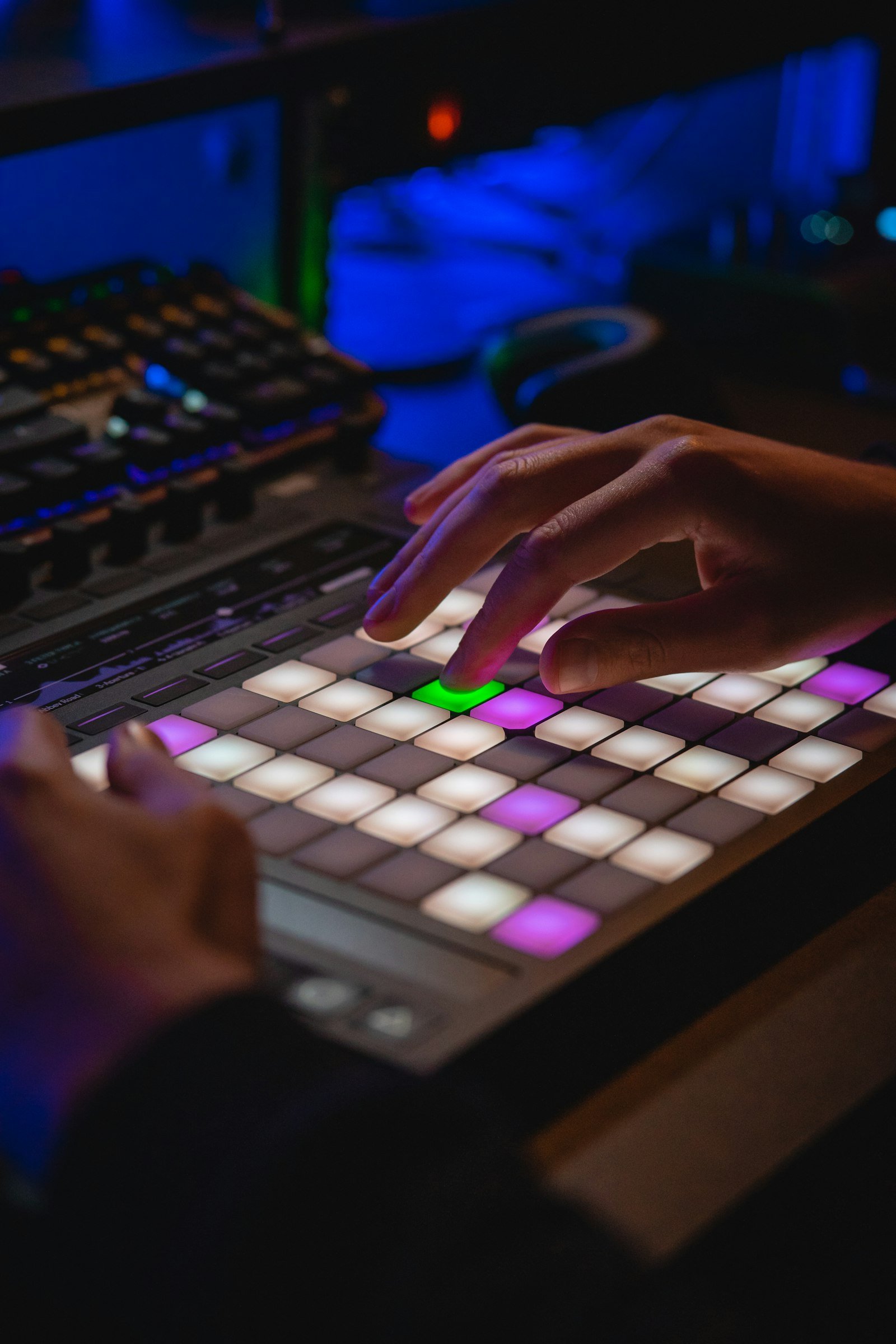
Start a new project and set the tempo between 112 and 115 BPM. Most modern amapiano sits right around 113 BPM, slow enough to feel relaxed yet fast enough to move a dance floor. This is the same mid-tempo pocket that connects amapiano to its house and deep-house roots, so if you have made house beats before, the territory will feel familiar.
Before you place a single sound, decide on the swing. Amapiano lives on a triplet-leaning shuffle rather than a stiff grid. Turn up your global swing or program your hi-hats and shakers slightly off the beat so the groove rolls. Getting the feel right at this stage saves you from fighting the rhythm later.
Step 2: Program the drums and shakers
Amapiano drums are more about percussion than a heavy kick. Begin with a soft, clicky kick on the downbeats, often a muted or rim-style sound rather than a booming 808. Add a crisp snare or rim on beats two and four, then build layers of shakers, closed hats, and loose percussion that carry the shuffle.
The shaker is the engine of the groove. Program a steady sixteenth-note or triplet shaker pattern and vary its velocity so some hits whisper and others pop. Sprinkle in woodblocks, claps, and vocal chops for texture. Many producers also drop in a short, percussive vocal sample or a “piano ride” loop to give the top end character. Keep the drums dynamic and human; tiny timing and volume differences are what make the beat feel alive.
Step 3: Build the log drum bassline
The log drum is the signature of amapiano, and it is both a bass and a lead at once. It is a deep, pitched percussion sound with a sharp attack and a round, sliding tail, and it carries the melody of the low end. You can use a dedicated log drum sample pack, a synth bass with portamento, or a sampler patch designed for the job.
Write a short, memorable bass phrase that answers the chords rather than copying them. Let the log drum land in the gaps between the kick and the chords so it has room to speak. The slides and pitch bends between notes are essential; that glide is what makes a log drum sound like a log drum and not a generic sub. Keep the pattern simple, four to eight notes that loop and breathe, and let it drive the whole track.
Step 4: Write the chords and piano
Now for the pianos the genre is named after. Load a warm electric piano – a Rhodes-style sound is the classic choice – and write a loop of four lush seventh or ninth chords. Amapiano harmony leans jazzy and mellow, so reach for minor sevenths, major sevenths, and added-ninth voicings rather than plain triads. A progression such as F minor 7, C-sharp major 7, G-sharp major 7, G minor 7 captures the smooth, slightly melancholy mood the genre loves.
Play the chords with a gentle, syncopated rhythm instead of holding them flat, and add small embellishments or passing chords at the end of a phrase to keep the loop from feeling static. Layer a soft pad or strings underneath for warmth. If you want to add a topline or vocal later, leave a little harmonic space so the voice has somewhere to sit.
Step 5: Arrange and add space
Amapiano arrangements are built on patience and dynamics. Instead of dropping every element at once, introduce parts gradually: start with drums and shaker, bring in the log drum, then open up the chords. Use long, evolving builds and generous breakdowns where the beat strips back to a single piano or a lone shaker before the groove returns.
These moments of space are not empty; they are the arrangement. A well-placed breakdown makes the return of the log drum hit twice as hard. Think in eight- and sixteen-bar sections, and let the track travel rather than loop. Automation – slowly opening a filter, swelling a pad, adding delay throws on a vocal chop – keeps a long amapiano track moving without adding clutter.
Step 6: Mix and groove
A good amapiano mix is clean, wide, and warm. Carve space for the log drum in the low end and keep your kick tight so the two do not clash. Pan shakers and percussion across the stereo field to create that spacious, three-dimensional feel the genre is known for. Light sidechain compression on the chords and pads against the kick or log drum adds the subtle pump that helps everything breathe together.
Use reverb and delay generously but tastefully to place sounds in a shared room, then glue the mix with gentle bus compression. When the groove feels effortless and the low end is controlled, take it to a proper mixing and mastering stage to get it loud and translation-ready for every speaker.
Amapiano elements at a glance
| Element | Typical choice | Role in the beat |
|---|---|---|
| Tempo | 112-115 BPM (often 113) | Sets the relaxed, danceable mid-tempo feel |
| Groove | Triplet-leaning swing | Gives the shuffle that defines amapiano |
| Kick | Soft, clicky or rim-style | Marks the pulse without dominating |
| Shakers & percussion | Layered, velocity-varied | The rhythmic engine and texture |
| Log drum | Pitched, sliding bass | The melodic signature and low-end lead |
| Chords | Electric piano, 7th/9th voicings | Soulful, jazzy harmonic core |
| Arrangement | Long builds, open breakdowns | Creates space, movement, and release |
Frequently asked questions
What BPM is amapiano?
Amapiano usually sits between 112 and 115 BPM, with 113 BPM being a common sweet spot. This mid-tempo range keeps the groove relaxed while still driving a dance floor, and it reflects the genre’s roots in South African house and deep house.
What is a log drum in amapiano?
The log drum is the deep, pitched, sliding bass sound that is unique to amapiano. It works as both the bassline and a melodic lead, with sharp attacks and gliding note-to-note bends. It is the single most recognizable element of the genre and usually drives the whole track.
Which DAW is best for making amapiano?
Any modern DAW works – FL Studio, Ableton Live, Logic Pro, or Studio One. Amapiano is about feel and sound selection, not a specific program. What matters more is good swing control, quality log drum and piano sounds, and the patience to arrange with space.
Do I need special sample packs to make amapiano?
You do not need them, but a dedicated log drum and amapiano percussion pack will get you to an authentic sound much faster. You can also craft a log drum from a synth bass with portamento. Soulful electric-piano and shaker sounds round out the palette.
How long should an amapiano track be?
Amapiano tracks are often long by pop standards – five to seven minutes or more – because the genre is built on gradual builds, extended grooves, and spacious breakdowns. The length gives the beat room to travel and lets the dance floor settle into the pocket.
Can I add vocals to an amapiano beat?
Absolutely. Many of the biggest amapiano songs feature vocals, toplines, and vocal chops. Leave harmonic and rhythmic space in the beat so the voice has room to sit, and record it cleanly – professional vocal recording makes a huge difference on a sparse, exposed groove.
Want more background on the genre’s sound and history? Native Instruments has a thorough guide to amapiano music.