
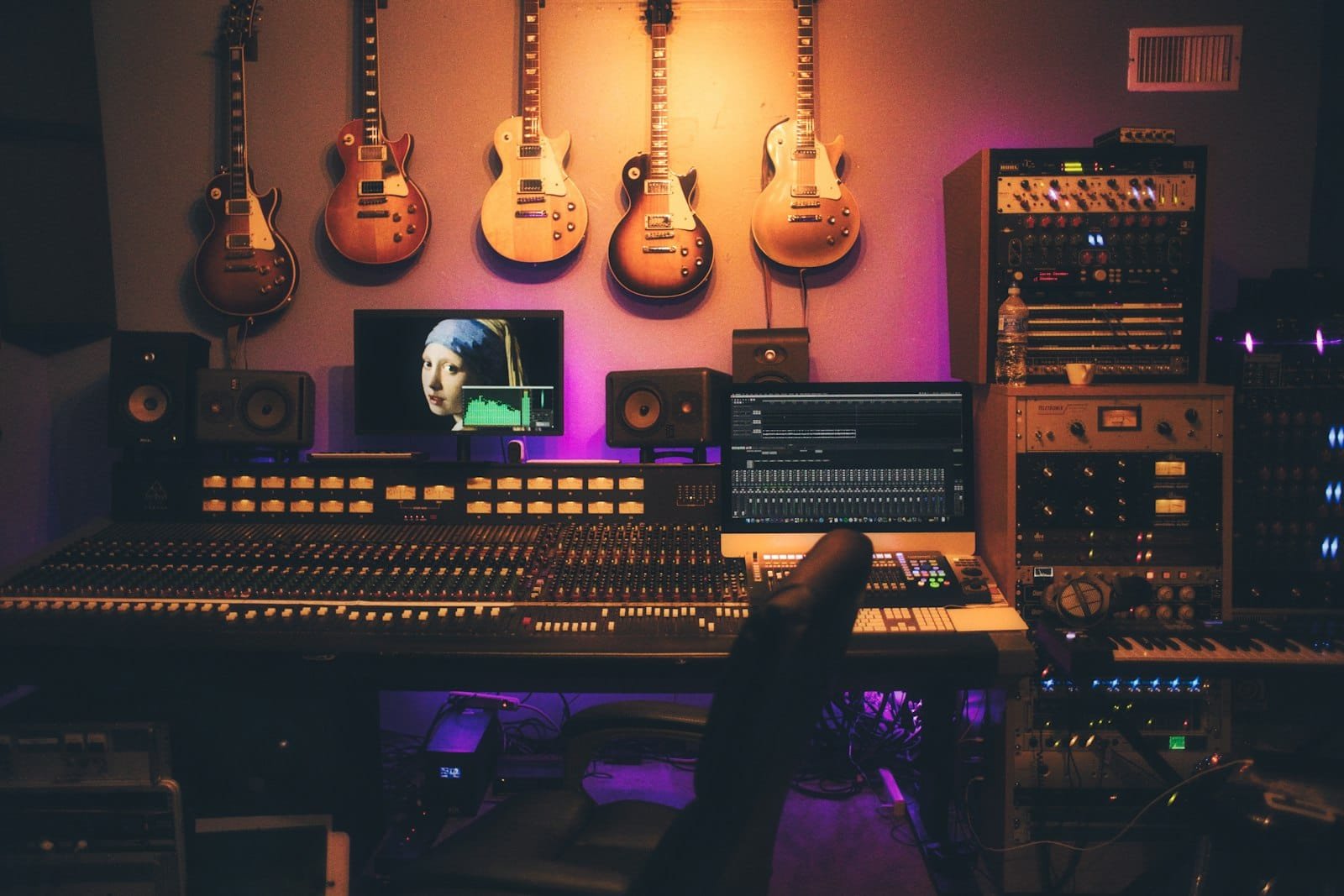
Reference tracks are one of the simplest, most powerful tools in modern music production, yet most people recording their first songs never use them. A reference track is a professionally released song you play alongside your own to compare arrangement, energy, vocal balance, low end and overall loudness. Used well, it keeps your production honest and stops you from mixing in the dark. In this guide I will show you exactly how to choose reference tracks, how to use them while producing and mixing, and the mistakes that quietly ruin an otherwise good song.
What Is a Reference Track?
A reference track is a finished, commercially released song in a style close to the one you are working on, used as a benchmark. You are not copying it. You are using it the way a photographer uses a light meter, as a reliable point of comparison so you can trust your own decisions.
When you work on the same song for hours, your ears adapt. The low end starts to sound normal even when it is too heavy, and a harsh vocal stops feeling harsh. A reference track resets your ears in seconds. You hear instantly whether your kick is too loud, your vocal is buried, or your mix is dull compared to records people already love.
Why Reference Tracks Matter More Than Gear
I have spent twenty years making records, and the single habit that improved my productions fastest was disciplined referencing. Expensive gear helps, but a professional music production is defined by choices, not equipment. A reference track makes those choices measurable. It answers the only question that matters: does this sound finished next to the real thing?
This is especially true for newcomers. If you are recording your first song, you do not yet have a mental library of how a polished mix should feel. A reference gives you that library instantly, and it shortens the learning curve by months.
How to Choose the Right Reference Track
Choosing well is half the work. Follow four rules:
1. Match the genre and era
Pick a song in the same style and roughly the same production era as your target. A 2026 pop record and a 1995 rock record are mixed to completely different standards.
2. Choose something genuinely well produced
Reference the records everyone agrees sound great, not just songs you personally enjoy. Hit records are mixed and mastered by top engineers for a reason.
3. Use two or three, not one
One reference can send you chasing a sound that does not fit your song. Two or three give you a healthy range for low end, vocal level and brightness.
4. Match the section
Compare your chorus to the reference chorus and your verse to its verse. Energy and density change section to section, so compare like with like.
How to Use Reference Tracks While Producing
Referencing is not only a mixing tool. It shapes the production from the first idea.
Before I build an arrangement, I listen to how the reference uses space. How sparse is the first verse? When does the low end arrive? How wide is the chorus compared to the verse? These structural answers decide whether a song feels professional long before a single plugin is touched. If you are tracking vocals, listen to how present and upfront the reference vocal sits, then aim for that during your vocal recording session rather than trying to fix everything later.
How to Use Reference Tracks While Mixing
This is where references earn their keep. Here is the workflow I use and teach:
Match loudness first. Released songs are mastered and therefore much louder than your raw mix. Turn the reference down so its perceived volume matches yours, otherwise louder will always trick you into thinking it sounds better.
Reference in mono and at low volume. If your mix holds up in mono and still sounds balanced quietly, it will translate everywhere, from phone speakers to car systems.
Check one element at a time. Solo your low end against the reference low end. Then vocals. Then the overall brightness. Fixing everything at once is how people get lost.
Switch quickly and trust your first reaction. A fast A and B comparison tells you more than a minute of analysis. Your instant gut reaction is usually right. For a deeper technical breakdown of referencing while mixing, engineers at iZotope cover the same principles. The final polish of this stage belongs to mixing and mastering, where the reference becomes the target your master is measured against.
Reference Track Workflow: Quick Comparison
| Approach | What it gives you | Best for |
|---|---|---|
| No reference | Fast, but easy to lose perspective and over-mix | Rough demos only |
| One reference | A single benchmark, risk of chasing the wrong sound | Simple, single-style songs |
| Two to three references | A balanced range for level, low end and brightness | Most serious productions |
| Referencing with an engineer | Trained ears plus a tuned room so comparisons are accurate | Final, release-ready records |
That last row matters more than people expect. A reference is only as honest as the room and the ears judging it. In an untreated bedroom, even perfect references can mislead you, which is why a mix that sounded great at home often falls apart everywhere else.
Common Reference Track Mistakes
Three mistakes come up again and again. First, not matching loudness, which makes the mastered reference win every time by sheer volume. Second, referencing too late, after the mix is already locked, when the real value is in guiding decisions early. Third, trying to clone the reference exactly and losing what makes your own song special. A reference is a compass, not a cage.
Where a Studio Makes the Difference
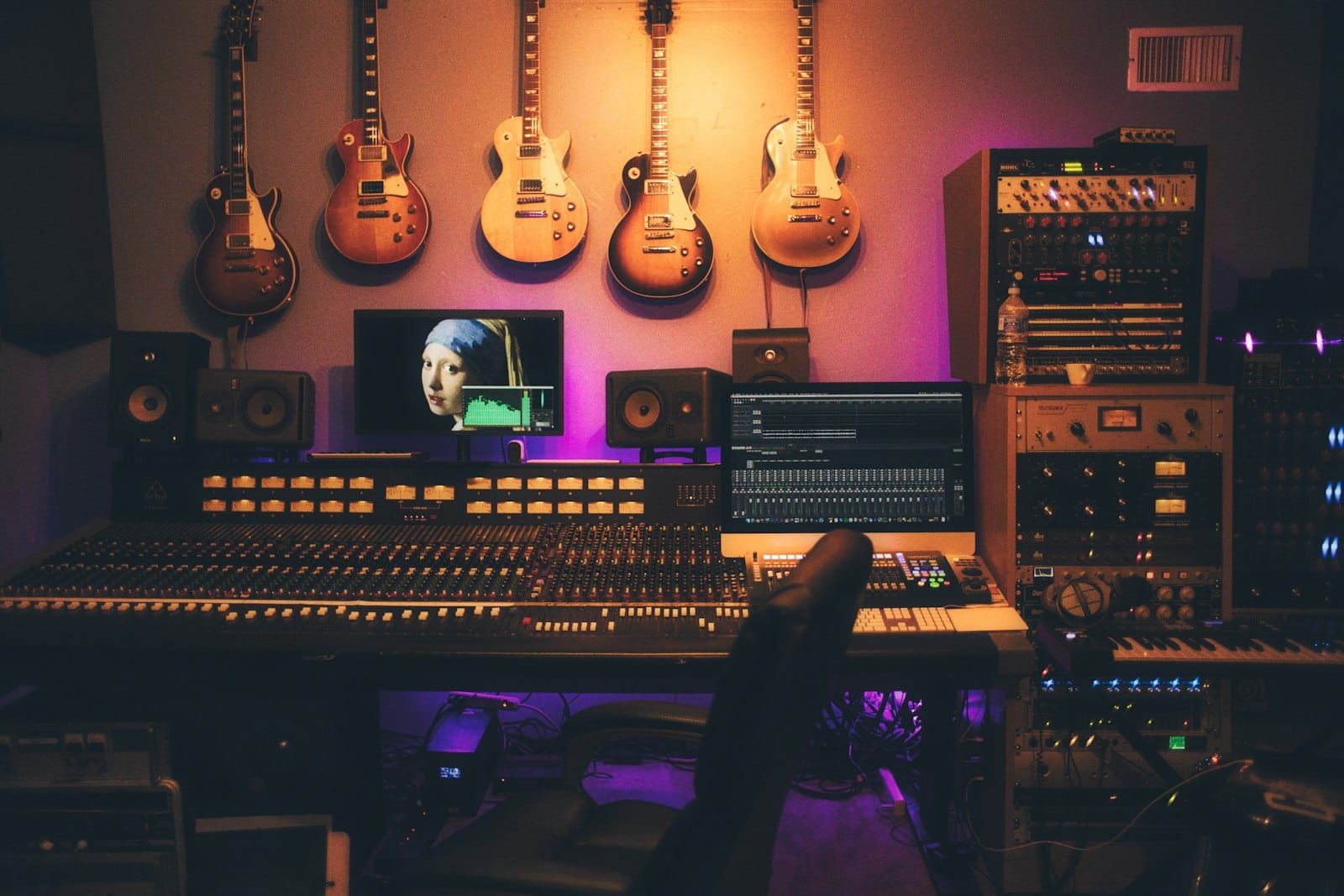
You can reference on headphones and learn a lot. But the final, most honest comparisons happen in a treated room on trusted monitors, where what you hear is actually what is on the recording. At G Studio on Palm Jumeirah, referencing is built into how every record is tracked, mixed and mastered, from the Neumann U87 vocal chain through to the final master. If you want a song that stands up next to the references you love, that is the fastest way there. You can also see what the full journey looks like in my guide on how to mix vocals.
Frequently Asked Questions
What is a reference track in music production?
A reference track is a professionally released song, in a style close to yours, that you play alongside your own to compare arrangement, vocal balance, low end and loudness. It keeps your production and mix objective.
How many reference tracks should I use?
Two or three is ideal. One reference can push you toward a sound that does not suit your song, while two or three give you a realistic range for level, brightness and low end.
Should I match the loudness of my reference track?
Yes, always. Released songs are mastered and much louder than a raw mix. Turn the reference down so its perceived volume matches yours, or louder will constantly fool you into thinking it sounds better.
Can I use reference tracks when recording vocals?
Absolutely. Listening to how present and upfront a reference vocal sits helps you aim for the right tone and energy during tracking, instead of trying to rescue the performance in the mix.
Do professional producers use reference tracks?
Yes. Referencing is standard practice at every level, from first-time artists to multi-platinum records. The difference is that experienced engineers reference faster and in rooms built for accurate listening.
Where can I get my song mixed to match my references in Dubai?
At G Studio on Palm Jumeirah, referencing is part of the process through recording, mixing and mastering, so your finished song is measured against the records you want to stand beside.
About the Author
George Yukhanov is a multi-platinum, award-winning author, composer and producer with more than twenty years in music, ranking among the top 5% of producers worldwide. He is one of the rare producers at his level who works openly with newcomers, and he produces at G Studio, his private recording studio on Palm Jumeirah in Dubai.