

Writing a rap song comes down to six steps: pick a beat and lock into its tempo, choose one clear topic, write your hook first, then write verses that ride the rhythm with a consistent rhyme scheme, arrange the sections into a full song, and finally edit and record. You do not need expensive gear or a perfect vocabulary to start – you need a beat, a phone or notebook, and something true to say. This guide walks you through the exact process we use with artists at our Dubai studio, from the first blank page to a finished track you are proud to play.
Table of Contents
- What You Need Before You Start
- Step 1: Choose a Beat and Find the Tempo
- Step 2: Pick One Topic and Write the Hook First
- Step 3: Write to the Rhythm (Flow and Cadence)
- Step 4: Build Your Rhyme Scheme
- Step 5: Structure the Full Song
- Step 6: Edit, Refine, and Record
- Rap Song Structure at a Glance
- Common Mistakes (and How to Fix Them)
- Writing Rap With Kids and Teens
- FAQ
What You Need Before You Start
You can write a rap song with almost nothing: a beat to write to, a place to jot your lines, and a topic you actually care about. Everything else is optional. A beat gives you tempo and mood, your notes app or notebook captures ideas before they slip away, and a clear topic keeps sixteen bars from turning into random one-liners.
What matters far more than gear is honesty. The rappers who connect are the ones who sound like themselves. Before you worry about complex multisyllabic rhymes, get one real idea on the page. Once the words are working, a professional music production setup is what turns a written verse into a record that competes on streaming.

Step 1: Choose a Beat and Find the Tempo
Most rap songs start with the beat, not the words. The beat sets the tempo, the energy, and the pockets where your words will land. Pick an instrumental that matches the feeling you want – aggressive trap, laid-back boom bap, melodic drill, or something softer for a storytelling track.
Rap tempos usually sit between 60 and 100 BPM for the main feel, though modern trap is often written and counted at 130 to 150 BPM with hi-hats doubling the pace. You do not need to know the exact number to start. Play the beat on a loop, nod your head, and count four steady beats per bar: one, two, three, four. That four-count is the grid every bar of your verse will sit on. If you are producing your own instrumental, our guide on how to make a beat breaks the process down from drums to bassline.
Loop the beat for a few minutes before you write a single word. Let it suggest a cadence and a mood. The best first lines usually arrive while you are just listening, not forcing.
Step 2: Pick One Topic and Write the Hook First
A great rap verse is about one thing, said in a hundred interesting ways – not a hundred things said once. Before you write, finish this sentence: “This song is about ___.” It could be your come-up, a relationship, your city, a flex, a fear, or a story from last week. Narrowing the topic is what makes the writing feel effortless instead of scattered.
Then write your hook (the chorus) before the verses. The hook is the part people remember, repeat, and search for, so it deserves to be written first. Keep it short – two to four lines, simple, and repeatable. A strong hook states the song’s main idea in the catchiest way possible, and everything in your verses should build toward it. If you get stuck, our breakdown of how to write a catchy chorus applies directly to rap hooks.
Step 3: Write to the Rhythm (Flow and Cadence)
Flow is how your words ride the beat – the rhythm, speed, and pattern of your delivery. This is what separates rap from spoken poetry. The same words can sound flat or electric depending on how they sit in the pocket.
A simple way to build flow: tap the beat and speak your line out loud, moving words earlier or later until they snap into the rhythm. Try writing a bar that stays mostly on-beat, then a bar that rushes a run of syllables before landing hard on beat four. Varying your cadence from line to line keeps a verse from sounding monotone.
Count in bars. One bar is four beats; a standard rap verse is sixteen bars. Write your verse four bars at a time, performing each chunk out loud before moving on. If a line is hard to say at the beat’s tempo, rewrite it – if it does not flow for you, it will not flow for the listener.
Step 4: Build Your Rhyme Scheme
Rhyme is the glue that makes bars feel satisfying. The most common beginner scheme rhymes the last word of every two lines (an AABB pattern), and that is a perfectly strong place to start. As you grow, you add internal rhymes (rhyming words in the middle of a bar, not just the end) and multisyllabic rhymes, where whole phrases echo each other.
A practical trick: write the idea of the line in plain words first, then rewrite it so the key word falls into your rhyme. Keep a running list of words that rhyme with your main theme so you are never stuck mid-flow. And never force a rhyme that breaks the meaning – a clever rhyme that says nothing is weaker than a simple rhyme that hits the emotion. For the lyric-writing side of this, our guide on how to write song lyrics goes deeper on turning real feelings into lines.
Step 5: Structure the Full Song
With a hook and at least one verse written, arrange the full song. Most rap songs follow a clear, radio-friendly shape that gives the listener the hook early and often. A reliable template is: short intro, hook, verse one (16 bars), hook, verse two (16 bars), hook, and an optional bridge or outro.
Keep verses to 16 bars unless the song truly needs more – attention drops fast when a verse runs long. Make sure each hook hits the same way every time so it becomes a worm in the listener’s ear. If your second verse feels weaker, it often means you spent your best ideas in verse one; move one strong line down to balance them.
Step 6: Edit, Refine, and Record
A first draft is never the finished song. Read your verses out loud over the beat and cut any line that is filler, confusing, or hard to deliver. Tighten weak rhymes, sharpen your best punchline so it lands on beat four, and make sure the story or emotion is clear from the first bar.
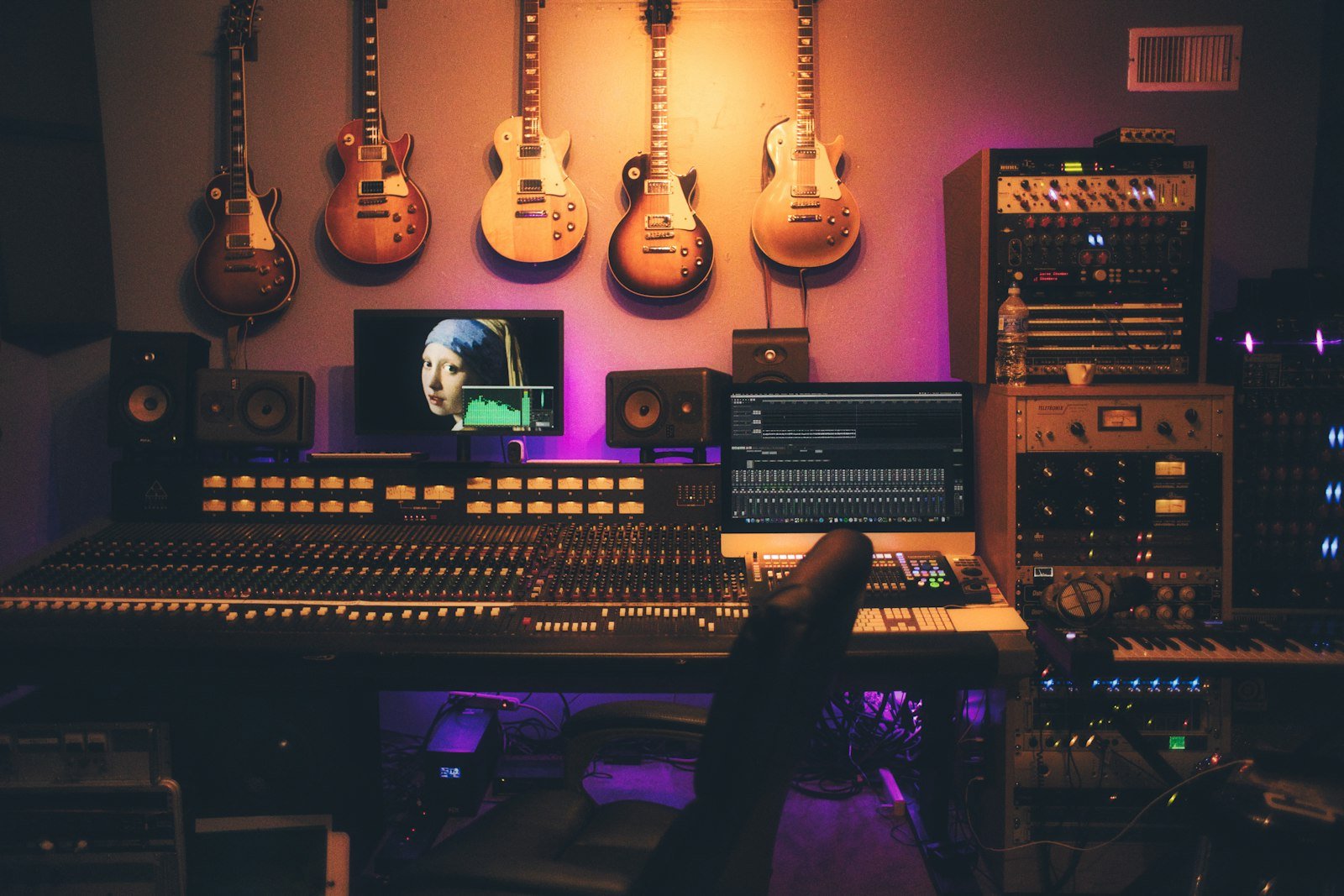
Then record. Rapping sounds very different in your head than it does through a microphone, and hearing a rough take will instantly show you which lines work. A controlled space with a quality mic and a good headphone mix makes a huge difference – our professional vocal recording room is built exactly for this, and if you have never tracked before, read how to record rap vocals first. Once the performance is captured, mixing and mastering is what makes the vocal sit loud and clean next to the beat on every speaker.
Rap Song Structure at a Glance
| Section | Typical Length | Its Job |
|---|---|---|
| Intro | 2-8 bars | Set the mood and pull the listener in |
| Hook / Chorus | 4-8 bars | The memorable main idea; repeats 3+ times |
| Verse | 16 bars | Tell the story, flex the flow and rhymes |
| Pre-hook | 2-4 bars | Build tension into the hook (optional) |
| Bridge | 4-8 bars | Change the energy before the final hook (optional) |
| Outro | 2-8 bars | Land the song and leave an impression |
Common Mistakes (and How to Fix Them)
Trying to write the whole song at once. Work in four-bar chunks and perform each one out loud before moving on. Momentum beats perfection.
Rhyming at the cost of meaning. If a rhyme forces you to say something you do not mean, rewrite the line. Emotion first, rhyme second.
Cramming too many syllables. Beginners often overpack bars until nothing is understandable. Leave space. Silence between phrases is part of the flow.
No clear topic. If listeners cannot say what your song is about, it is about nothing. Commit to one idea and serve it from the first bar.
Writing in silence. Always write over the beat. Lyrics written without the instrumental almost never sit in the pocket when you finally record.
Writing Rap With Kids and Teens
Rap is one of the easiest ways to get a child excited about writing and music, because it rewards personality over perfect pitch. Start them with a topic they love – a sport, a pet, a game – and a simple AABB rhyme over a slow beat. Let them perform it, even badly, before worrying about polish. That first finished eight bars, recorded and played back, builds more confidence than months of theory. In our Dubai sessions, hearing their own voice on a real track is the moment a shy kid turns into a performer.
Frequently Asked Questions
How long does it take to write a rap song?
A simple song with a hook and two verses can be written in a few hours once you have a beat. Your first few will take longer. The more you write, the faster ideas and rhymes come – many experienced writers finish a verse in under an hour.
Do I need to rhyme to write a rap?
Rhyme is central to rap and makes bars feel satisfying, but you do not need complex rhymes to start. A simple AABB scheme, where every two lines rhyme, is enough to write a strong, listenable verse.
Should I write the beat or the lyrics first?
Usually the beat first. The instrumental sets the tempo and mood that your flow and cadence lock into. Writing lyrics in silence often leaves you with lines that do not sit in the pocket when you record.
How many bars is a rap verse?
The standard rap verse is 16 bars, where one bar equals four beats. Hooks are usually shorter, around 4 to 8 bars. You can go shorter or longer, but 16 bars keeps a verse tight and familiar to listeners.
How do I improve my flow?
Practice out loud over the beat, not on paper alone. Vary your cadence between bars, land key words on the strong beats, and record yourself often – hearing your delivery is the fastest way to find and fix stiff spots.
Can a beginner write a good rap song?
Absolutely. Rap rewards authenticity and effort more than any other skill. Pick one honest topic, write your hook first, and build sixteen bars four at a time. A clear, well-performed simple song beats a complicated one every time.
Write It, Then Record It in Dubai
Writing is only half of the song. When your verses are ready, the right room, microphone, and ears turn a good idea into a record that sounds professional. The studio is run by George Yukhanov, a multi-platinum, award-winning author, composer and producer with more than 20 years in music and over 500 million views across his songs. He ranks among the top 5% of producers worldwide and is the rare multi-platinum producer who works openly with newcomers – so whether this is your first rap or your fiftieth, you get real guidance, not just a room.
Ready to turn your bars into a finished track? Book a vocal recording session at G Studio on Palm Jumeirah.