
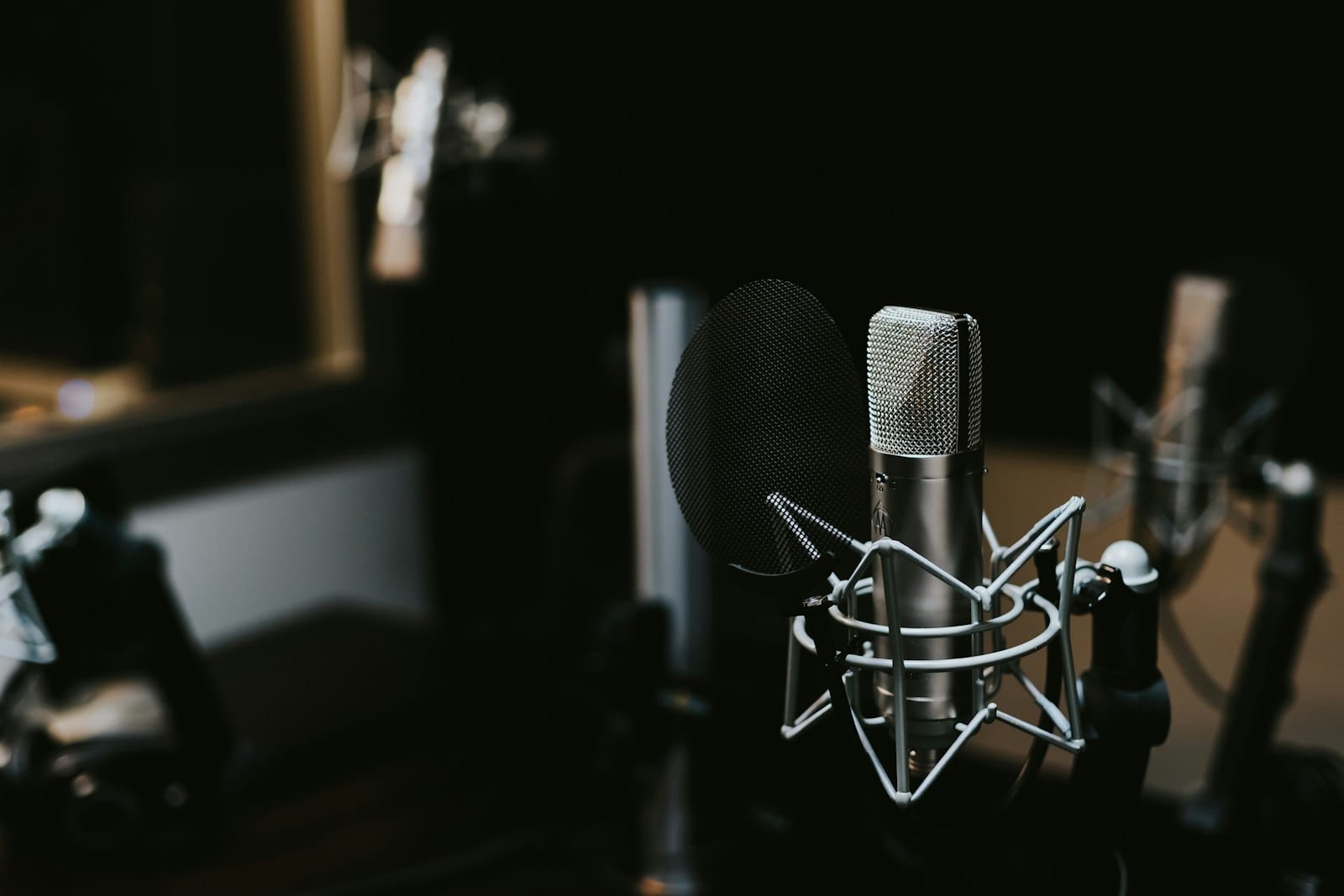
To prepare for your first vocal recording session in Dubai, rest your voice the night before, stay well hydrated, and arrive knowing your song by heart. Warm up your voice for 10–15 minutes, bring your lyrics and a reference track, and dress comfortably so nothing distracts you. A good studio will handle the technical side — microphone, headphone mix, and acoustics — so you can focus on your performance. The more relaxed and rehearsed you are, the faster and better your takes will be. Below is a complete, step-by-step guide to walking into the booth feeling confident and leaving with vocals you love.
Your First Vocal Session: The Quick Checklist
If you only remember a few things before you book your vocal recording session in Dubai, make it these:
- Rest your voice the day before and get a full night’s sleep.
- Hydrate with room-temperature water for 24–48 hours beforehand.
- Know your song — lyrics, melody, key, and tempo — without needing to read.
- Warm up your voice for 10–15 minutes before you sing.
- Bring your files: the instrumental, a reference vocal, and your lyrics.
- Arrive early and calm, so you can settle in before recording.
What This Guide Covers
- Before the session: prepare your voice and body
- Know your song inside out
- What to bring to the studio
- What happens during a vocal recording session
- Home recording vs. a professional Dubai studio
- Tips to sound your best on the mic
- After the session: mixing and mastering
- Frequently asked questions
1. Before the Session: Prepare Your Voice and Body
Your voice is an instrument, and like any instrument it performs best when it’s well cared for. In the days leading up to your session, treat your body kindly.
Hydrate early and often
Vocal cords need hydration to move smoothly, and water takes hours to reach them — so drinking a glass right before you sing won’t help much. Start hydrating 24–48 hours in advance with room-temperature water. In Dubai’s dry, air-conditioned climate this matters even more than in most cities.
Rest and sleep
Avoid shouting, long phone calls, or loud nights out the day before. A tired, strained voice is far harder to work with in the booth. A full night of sleep does more for your tone than any last-minute trick.
Warm up properly
Spend 10–15 minutes warming up before you sing — lip trills, gentle humming, sirens, and scales. A structured vocal warm-up wakes up your range and helps you avoid strain on the higher notes. Warm up at home or in the car so you arrive ready to perform.
Watch what you eat and drink
On session day, go easy on dairy (which can thicken mucus), caffeine and alcohol (which dehydrate), and very sugary foods. A light meal beforehand keeps your energy up without making you sluggish.
2. Know Your Song Inside Out
The single biggest thing that separates a smooth first session from a stressful one is preparation. When you know your song completely, you can focus on emotion and delivery instead of remembering words.
- Memorize your lyrics so you’re not reading in the booth — it frees you to perform.
- Lock in the key and tempo. If you’re unsure whether the key suits your range, a good producer can adjust it. This is where thoughtful music production in Dubai makes a real difference.
- Record a rough demo on your phone. Even a simple voice-memo take helps you spot tricky phrases and plan where to breathe.
- Prepare a reference track — a song whose vocal sound or vibe you love. It gives the engineer an instant sense of your goal.
3. What to Bring to the Studio
Keep it simple. Most professional studios in Dubai supply the technical gear, so you mainly need to bring yourself — prepared and comfortable.
- Your instrumental / backing track (high quality: WAV preferred), plus the project files if you have them.
- Your lyrics, printed or on a device, as a backup.
- A reference track for tone and style.
- A bottle of water and any throat lozenges you like.
- Comfortable clothing — avoid noisy jewelry or crinkly fabrics that the mic can pick up.
- A relaxed, open mindset. Nerves are normal; the studio is a judgment-free space to create.
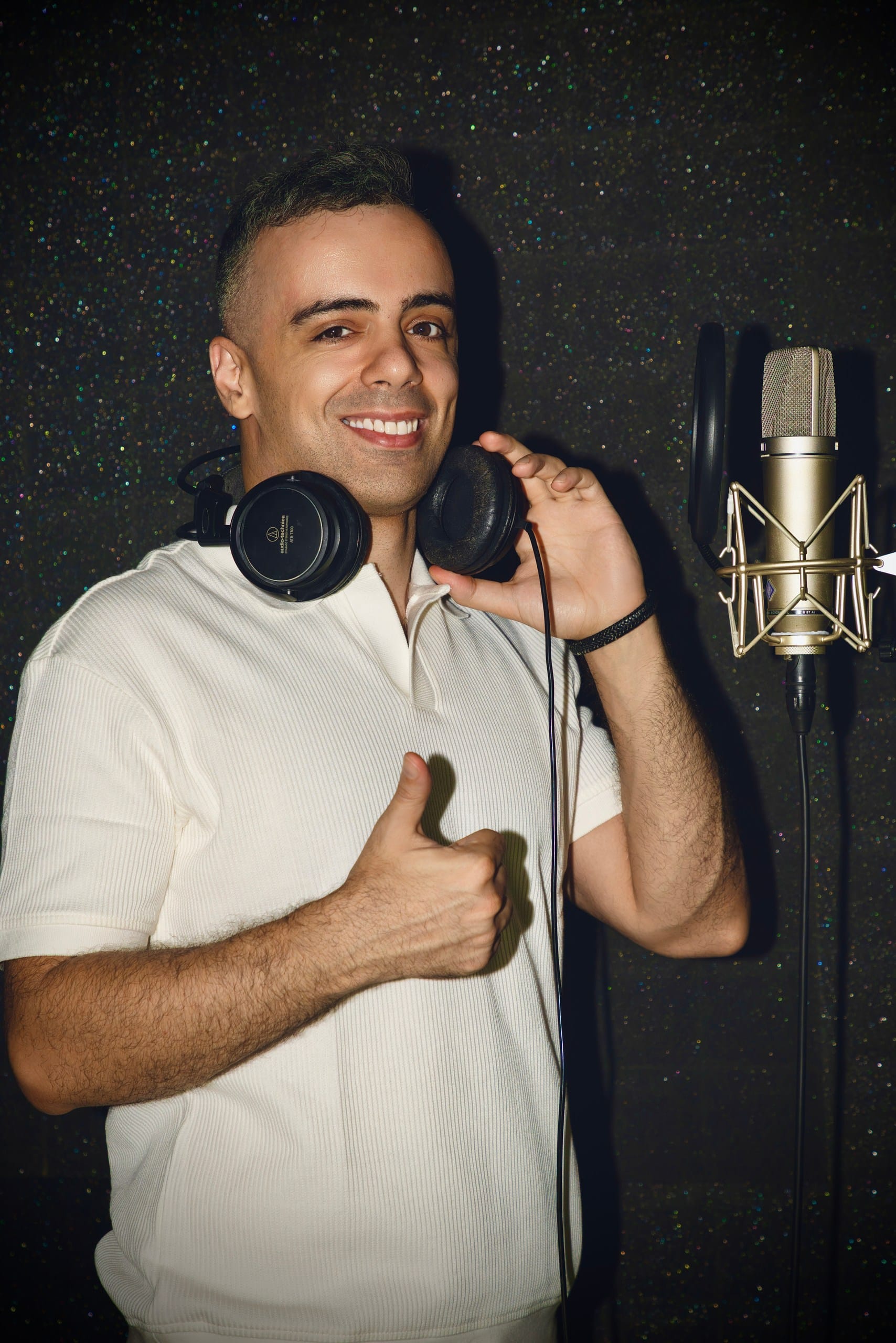
4. What Happens During a Vocal Recording Session
Knowing the flow ahead of time removes most of the first-timer nerves. Here’s what a typical vocal session looks like.
Setup and soundcheck
The engineer positions the microphone, sets your headphone mix, and checks levels. Tell them if you want more or less of yourself, the beat, or reverb in your headphones — a comfortable monitor mix makes it far easier to sing in tune.
Recording takes
You’ll usually record several full takes of the song, then focus on specific sections. Don’t aim for one perfect performance — modern recording is about capturing a few strong takes that the engineer later combines (“comping”) into one seamless vocal.
Doubles and harmonies
Once the lead is solid, you may record doubles, ad-libs, and harmonies to add depth. Your producer will guide what the song actually needs so it doesn’t get cluttered.
Take breaks
Vocals are physical. Short breaks keep your voice fresh and your ear objective. A rushed voice tires quickly, so pacing beats powering through.
5. Home Recording vs. a Professional Dubai Studio
You can record vocals at home, but the difference in the final result is usually obvious. Here’s an honest comparison to help you decide where to invest your first session.
| What matters | Home setup | Professional Dubai studio |
|---|---|---|
| Microphone | Entry-level USB or budget mic | High-end condenser (e.g. Neumann U87) |
| Room acoustics | Untreated room, reflections & noise | Acoustically treated vocal booth |
| Engineer | You, learning as you go | Experienced engineer guiding every take |
| Comping & tuning | Time-consuming, hit or miss | Fast, musical, professional |
| Mixing & mastering | DIY, often thin or muddy | Radio-ready, balanced, loud |
| Final result | Demo quality | Release-ready recording |
If you’re curious about budgets, our guide on how much it costs to record a song in a Dubai studio breaks down the typical options and what you get for each.
6. Tips to Sound Your Best on the Mic
A few simple habits will instantly lift the quality of your recording:
- Keep a consistent distance from the mic — roughly a fist’s width — and use the pop filter to soften harsh “p” and “b” sounds.
- Step back on loud notes and lean in slightly on soft, intimate lines to control your dynamics.
- Breathe from your diaphragm, not your chest, for steadier, fuller notes.
- Perform, don’t just sing. Emotion carries through the microphone more than perfect pitch.
- Trust your engineer. If they ask for another take, it’s to make you sound your best — not because you did anything wrong.
7. After the Session: Mixing and Mastering
Recording is only half the journey. Once your vocals are captured, they’re edited, tuned, and blended with the music, then polished so the track translates well on phones, cars, and streaming platforms. This is the stage where a raw performance becomes a finished song. If you want to understand this final polish, see our overview of professional mixing and mastering in Dubai.
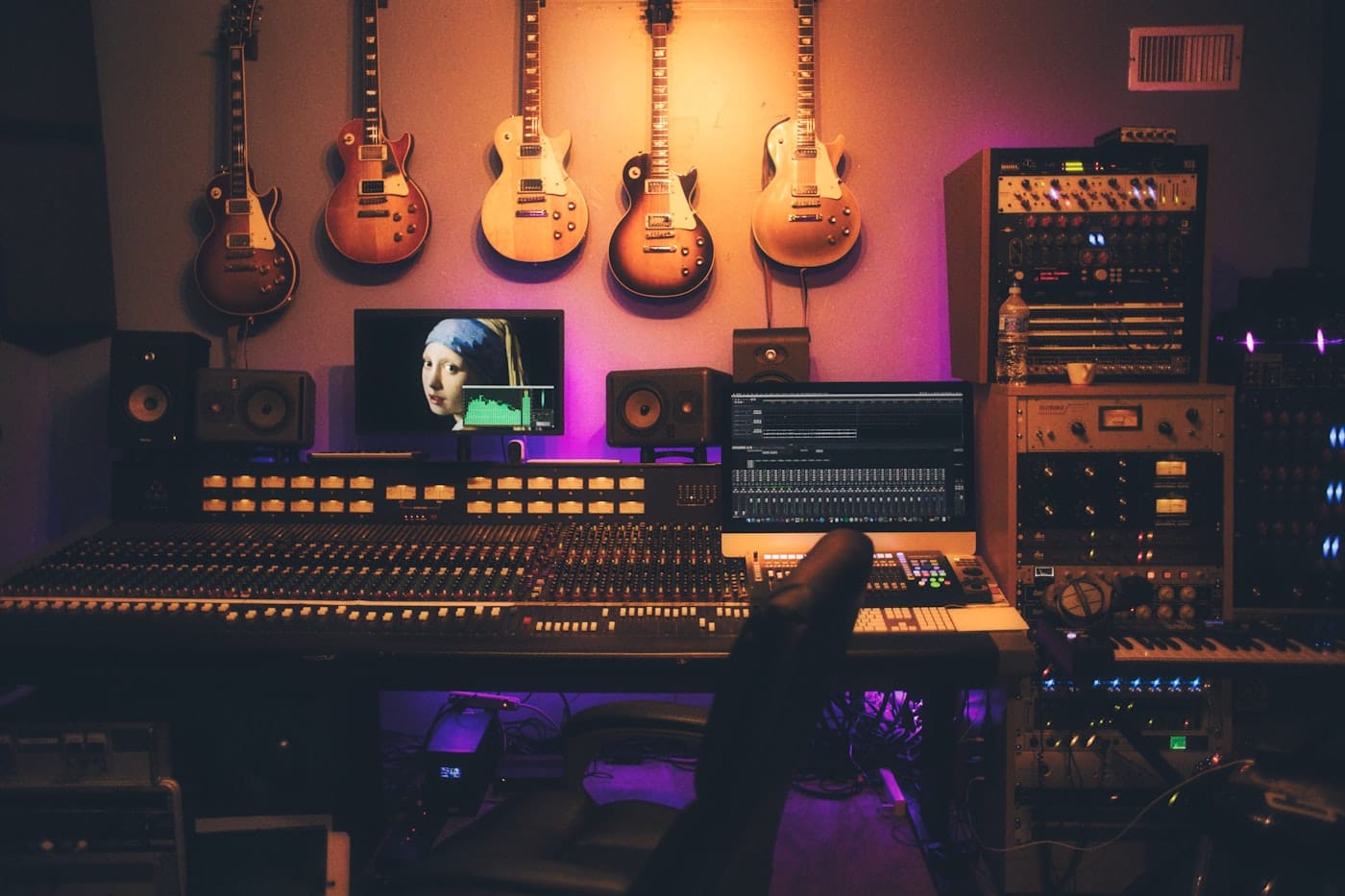
Frequently Asked Questions
How long does a first vocal recording session take?
For a single song, plan for around 2–4 hours. That allows time to warm up, get comfortable, record several takes, and add doubles or harmonies without rushing. Coming in well rehearsed can make it noticeably faster.
Do I need to be a trained singer to record?
Not at all. Plenty of first-timers record great vocals. A supportive producer will guide your takes, suggest phrasing, and help you get the best out of your natural voice.
What should I not do before a recording session?
Avoid dairy, caffeine, and alcohol on the day, don’t strain or shout the night before, and don’t leave learning your lyrics until you’re in the booth. Turning up tired or unprepared is the most common first-session mistake.
Can the studio fix my vocals if they’re not perfect?
Modern studios can tune timing and pitch and comp the best moments from several takes. That said, a well-prepared, heartfelt performance always gives the engineer far more to work with — editing enhances a good take, it doesn’t replace one.
How do I choose the right studio for my first session?
Look for professional equipment, a treated recording space, and an engineer or producer who makes you feel comfortable. Our guide on how to choose the best recording studio in Dubai walks through exactly what to look for.
About the Author
George Yukhanov is a multi-platinum, award-winning author, composer, and producer who ranks among the top 5% of producers worldwide. He is one of the rare multi-platinum producers who works openly with newcomers, helping first-time artists feel at ease and sound their best. At his G Studio on Palm Jumeirah, George combines world-class equipment with a warm, encouraging approach so every artist — beginner or seasoned — can create music they’re proud of.