Artist development in Dubai means building a real, lasting music career — not chasing one lucky single. It is the process of finding your sound, developing your voice, building a catalogue of songs, and releasing them with a professional team behind you. In practice, that means working with a producer who shapes your identity, records and mixes your music to a competitive standard, and helps you plan releases that grow an audience over time. This guide walks through exactly how to develop as an artist in Dubai in 2026 — the steps, the real costs, the mistakes to avoid, and how to choose the right people to build with.
Table of Contents
- What Is Artist Development?
- How to Build a Music Career in Dubai: 7 Steps
- Finding Your Sound and Identity
- Build a Catalogue, Not Just a Single
- The Production and Studio Behind a Career
- Your Options for Artist Development in Dubai
- How Much Does Artist Development Cost?
- Common Mistakes New Artists Make
- Frequently Asked Questions
What Is Artist Development?
Artist development is the long game of music. A hit is a moment; a career is a body of work, a recognisable identity, and an audience that keeps coming back. Artist development is everything that turns a talented person into an artist people follow: defining what you sound like and stand for, strengthening your voice and performance, producing songs that hold up next to anything on the charts, and sequencing releases so each one builds on the last.
In Dubai specifically, artist development has become realistic in a way it was not a few years ago. The city now has world-class studios, a growing live scene, and a dense, multicultural audience — but very few places where a newcomer can be developed properly rather than simply sold studio hours. Real development is less about gear and more about guidance: someone experienced in your corner, telling you the truth and helping you make the right next move.
How to Build a Music Career in Dubai: 7 Steps
There is no single formula, but strong careers almost always move through the same stages. Here is the path I use with developing artists, in order.
1. Define who you are as an artist
Before a single song, decide what you want to be known for — genre, language, mood, the feeling you want people to associate with your name. Clarity here makes every later decision easier.
2. Develop your voice and performance
Whether you sing or rap, your instrument needs to be reliable. That means breath, pitch, phrasing, and confidence in front of a microphone. Most “I can’t sing” problems are really tension and inexperience, and both improve quickly with the right coaching and reps in a real vocal recording environment.
3. Write and collect your best songs
Great careers are built on great songs. Write constantly, keep only the strongest ideas, and be honest about which ones are actually finished. Co-writing with an experienced producer often fast-tracks this stage.
4. Produce the music to a competitive standard
A good song recorded badly still loses. This is where music production turns a demo into a release — arrangement, sound selection, and a recording that sits comfortably beside the artists you admire.
5. Mix, master and finalise
Before anything goes public, it needs professional mixing and mastering so it translates on phones, earbuds, cars, and club systems. This is the difference listeners feel even when they can’t name it.
6. Release strategically and build a presence
Plan your releases rather than dumping songs at random. Set up a verified profile on platforms like Spotify for Artists, pitch to playlists, and pair each release with content that tells your story. Consistency beats intensity.
7. Repeat, learn and grow the catalogue
Momentum compounds. Every release teaches you something and feeds the next. Artists who treat music as an ongoing practice — not a single attempt — are the ones who last.
Finding Your Sound and Identity
The most common thing missing in new artists is not talent — it is identity. When everything sounds like a slightly weaker version of someone else, listeners have no reason to choose you. Finding your sound is partly taste (the references you love) and partly discovery (what your voice and writing naturally do best). A good producer in Dubai helps you hear your own strengths and lean into them, so that within a few sessions your songs start to feel unmistakably yours.
Build a Catalogue, Not Just a Single
Many new artists pour everything into one song, release it, and are surprised when it changes nothing. One song rarely moves a career — a body of work does. A catalogue gives listeners a reason to stay, gives algorithms more to recommend, and gives you room to grow in public. Think in terms of a run of singles or a short EP with a shared identity, released over months, each one a little sharper than the last. Development is cumulative, and the artists who understand that early are the ones who pull ahead.
The Production and Studio Behind a Career
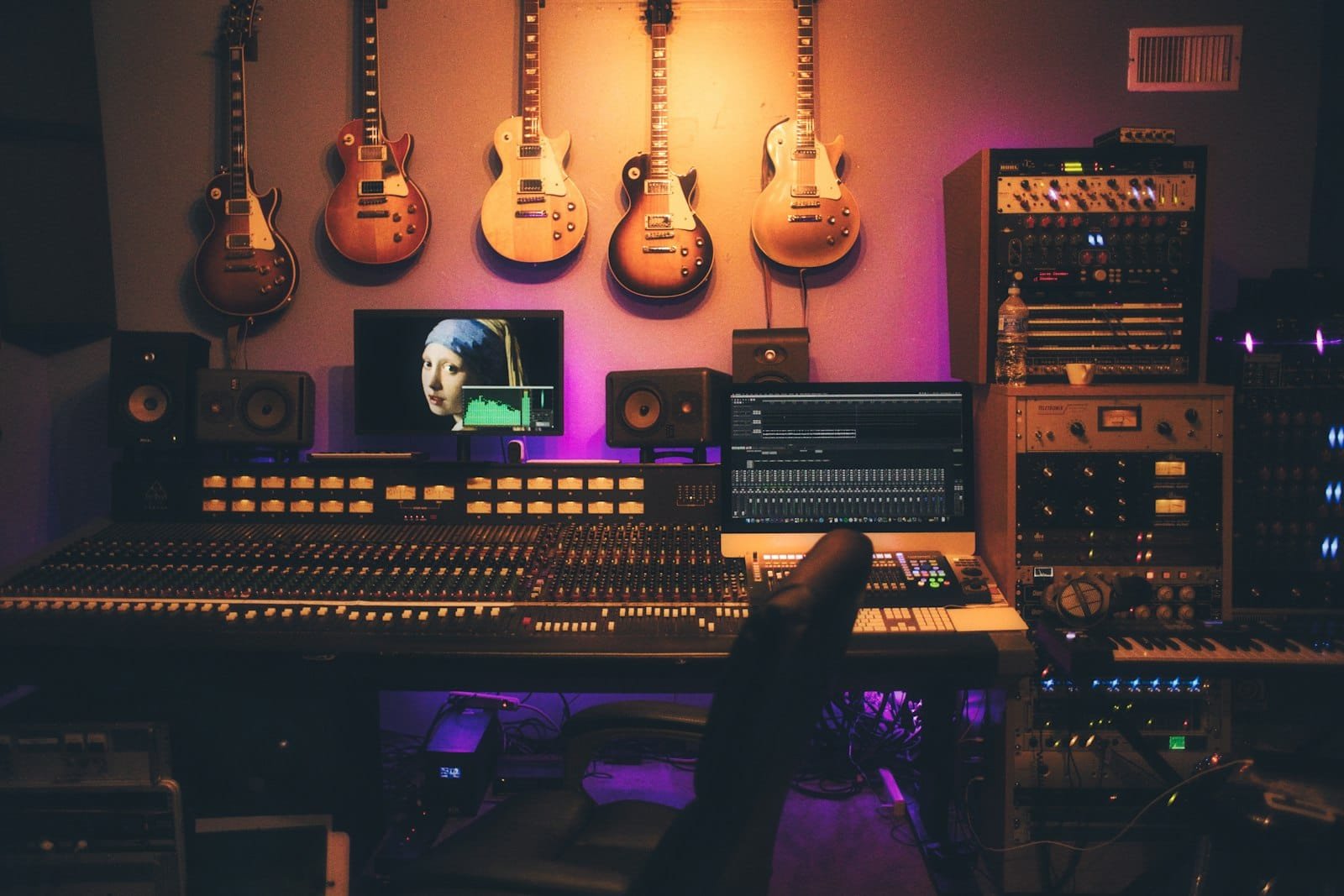
Behind almost every career you admire is a small, consistent team and a room where the work gets done. The studio matters less for its logo than for what happens inside it: honest feedback, a signal chain that flatters your voice, and someone who has done this many times before. At G Studio on Palm Jumeirah, that chain is built around a Neumann U87 and a Tube-Tech MP2A — gear chosen so a developing artist’s first real recordings already sound professional, which does more for confidence than any pep talk. The point of the room is to remove excuses, so the only question left is the music.
Your Options for Artist Development in Dubai
There are several ways to develop as an artist, and they are not mutually exclusive — many artists mix them. Here is an honest comparison of the main paths.
| Path | Best for | Guidance level | Typical investment |
|---|---|---|---|
| Fully DIY | Hobbyists, early experimenters | None — self-taught | Low (gear + time) |
| Freelancers (per task) | Artists who know what they want | Low — piecemeal | Varies per song |
| Studio sessions (hourly) | Recording finished songs | Medium — technical | AED 450–600/hour |
| Full artist development with a producer | Serious artists building a career | High — creative + strategic | Project-based (from USD 5,000+) |
The right choice depends on how serious you are. If music is a passion project, DIY and occasional sessions are perfect. If you intend to build a real career, working closely with one experienced producer — someone who develops your sound, produces your songs, and helps you release them — is almost always the faster, cheaper path in the end, because it avoids years of expensive trial and error.
How Much Does Artist Development Cost in Dubai?
Costs scale with ambition. Studio time at G Studio runs AED 450 per hour with an engineer and AED 600 per hour with me personally, which covers recording and production sessions. A full turnkey song — written, produced, recorded, mixed and mastered to release standard — starts from around USD 5,000 depending on scope. Ongoing artist development is usually structured as a project or a package of songs rather than a single fee, because the value is in the sequence, not one session. The honest way to think about it: you are not buying studio hours, you are buying years of experience that shorten your own learning curve.
Common Mistakes New Artists Make
Most stalled careers share the same handful of missteps. Betting everything on one song. Copying a trend instead of finding a sound. Releasing music that was recorded or mixed below standard, so it never gets a fair chance. Going silent for months between releases. And trying to do every role — writer, producer, engineer, marketer — alone, badly, instead of focusing on what only they can do: be the artist. Avoiding these is less about money and more about having someone experienced who can tell you the truth before you spend the time.
Frequently Asked Questions
What does artist development actually include?
It usually covers defining your sound and identity, developing your voice or performance, writing and selecting songs, producing and recording them, mixing and mastering, and planning releases. In short, everything that turns a talented person into a working artist.
How long does it take to build a music career?
There is no fixed timeline, but think in years, not weeks. The first few months establish your sound and your first strong releases; real momentum typically builds over one to three years of consistent, well-produced output.
Do I need to already be good at singing to start?
No. Most newcomers underestimate how quickly voice and confidence improve with coaching and real recording reps. You develop as you go — that is the whole point of development.
Can you build an artist from scratch in Dubai?
Yes. Dubai now has the studios, talent and audience to develop artists properly. What matters most is working with someone experienced who can guide the creative and strategic decisions, not just press record.
Is it better to work with one producer or many freelancers?
For career building, one experienced producer who knows your voice and vision usually gives more coherent results than many freelancers working in isolation. Consistency of sound and guidance is what makes a catalogue feel like you.
How do I get started?
Begin with one honest session — record a song properly and talk through your goals. That first real recording tells you more about your potential, and your next step, than months of guessing alone.
About the author
George Yukhanov is a multi-platinum, award-winning songwriter, composer and producer with over 20 years in music, ranking among the top 5% of producers worldwide. He is the rare multi-platinum producer who works openly with newcomers, developing artists from their very first session at G Studio, his private recording studio on Palm Jumeirah in Dubai.