
How to Make an R&B Beat: A Step-by-Step Guide (2026)
To make an R&B beat, start with a tempo between 60 and 95 BPM, write a lush chord progression using seventh and ninth chords on an electric piano or warm pad, then program a relaxed, swung drum groove that leaves space around the vocal. Add a smooth, rounded bass that locks to the kick, lay in subtle melodic and atmospheric layers, and mix everything warm and wide. The art of R&B is restraint: the groove should breathe, the chords should feel emotional, and nothing should crowd the voice. This guide walks you through every step from an empty session to a finished, vocal-ready instrumental.
In this guide
What defines an R&B beat
R&B (rhythm and blues) is built around feel more than any single sound. Where a trap beat is defined by its hi-hats and a pop beat by its hooks, R&B lives in its harmony and its groove. The chords are richer and jazzier than most pop, the drums are laid back and often swung, and the whole arrangement is designed to support a singer. Contemporary R&B blends soul, hip-hop, funk and electronic textures, which is why modern producers draw tools from all of those worlds. If you want the full background, Wikipedia’s overview of contemporary R&B is a solid primer on how the genre evolved.
Three things make a beat read as R&B: emotional, extended chords; a groove with swing and air; and space. That space is where the vocal, and the listener’s feeling, actually live.
What you need before you start
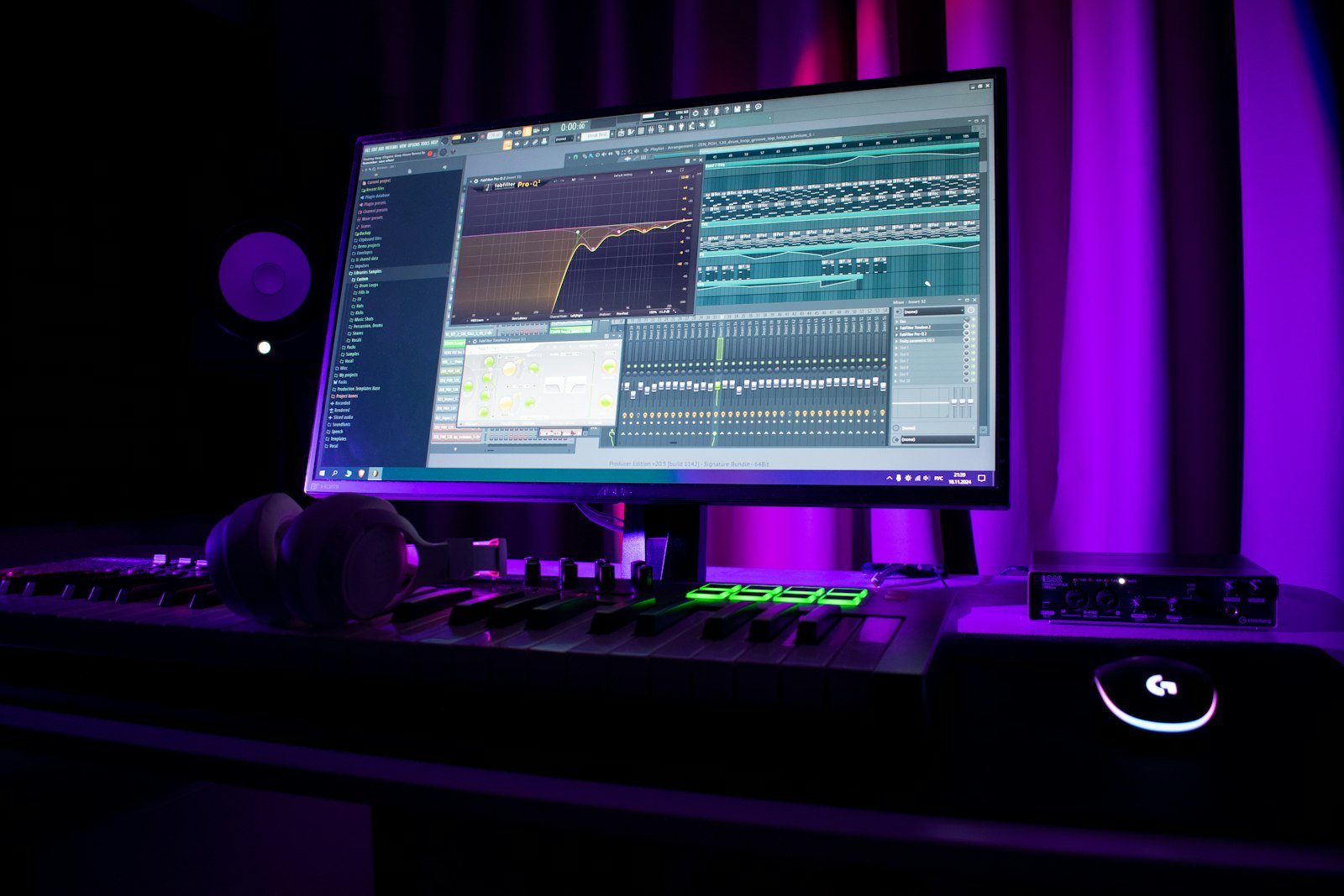
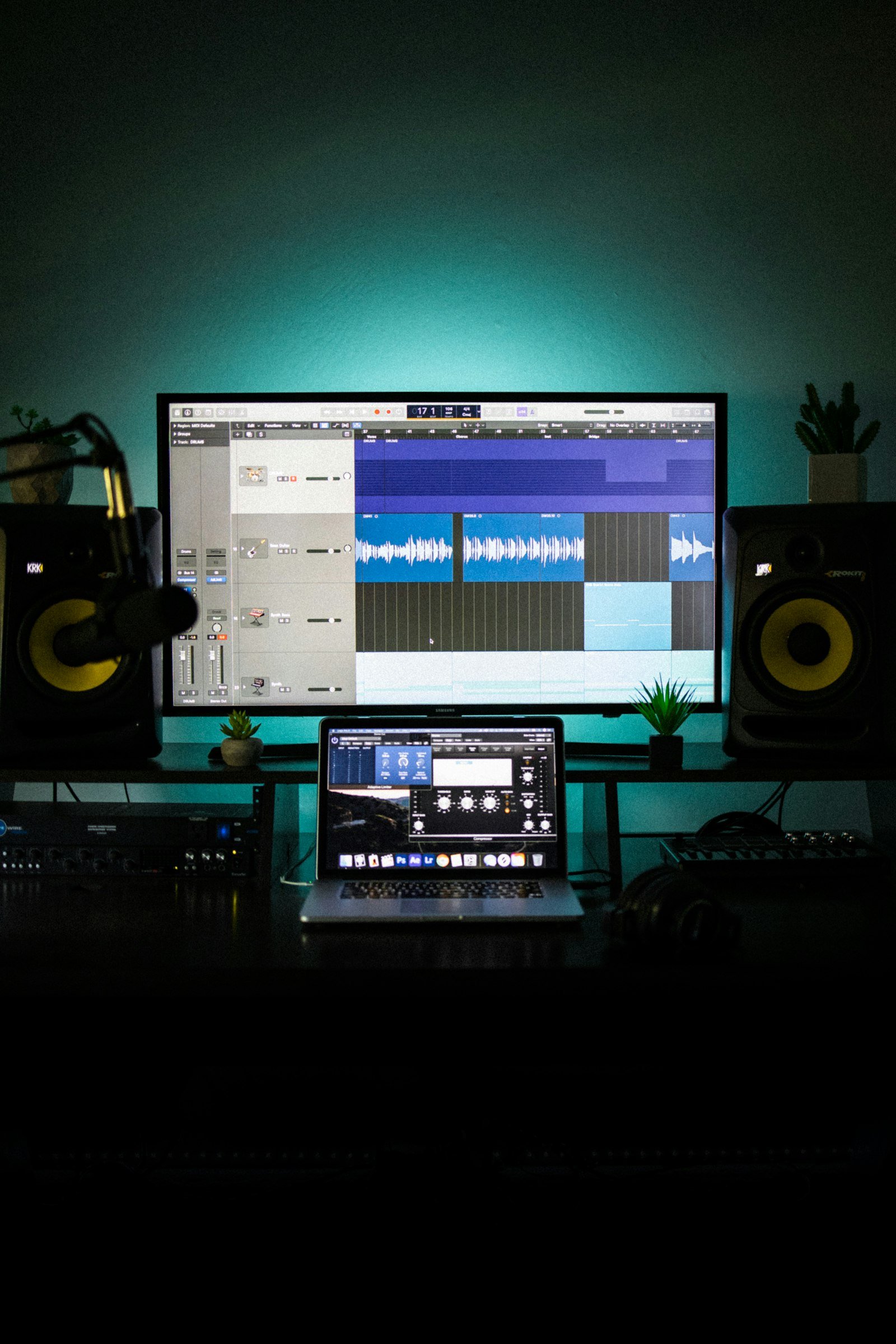
You do not need a large studio to make a convincing R&B beat. You need a DAW (Ableton Live, Logic Pro, FL Studio or Studio One all work), a MIDI keyboard to play chords expressively, and a good pair of headphones or monitors so you can hear the low end and the reverb tails clearly. A basic understanding of chords helps enormously here, more than in any other genre. If chords are new to you, our guide to chord progressions for songwriting is the fastest way in.
Gather a few reference tracks before you open the session, too. Pick two or three R&B songs whose mood you want to capture and keep them on hand so you can compare your groove, your low end and your overall vibe as you work.
Step-by-step: building the beat
1. Set your tempo and groove
Most R&B sits between 60 and 95 BPM. Slower tempos (60–75 BPM) feel intimate and sensual; mid tempos (80–95 BPM) feel more upbeat and modern. A useful trick is to write at a slow tempo but program your hi-hats in double time, which gives the beat energy without losing the relaxed body. Before you place a single drum, set a swing or groove template of around 8–16% so the rhythm pushes and pulls instead of landing dead on the grid. That human feel is the single biggest thing separating an R&B beat from a stiff pop loop.
2. Build the chord progression
Harmony is the heart of R&B, so start here rather than with drums. Reach for seventh, ninth and eleventh chords instead of plain triads — they carry the emotional, slightly melancholic colour the genre is known for. A classic starting point is a minor ii–V–i or a looping progression like Cmaj7–Am7–Dm7–G7. Play the chords on a warm Rhodes or electric piano, then record them with real timing and velocity from your MIDI keyboard rather than drawing them in. Small imperfections in your playing are what make the progression feel alive.
3. Program the drums
R&B drums are relaxed and uncluttered. Use a soft, rounded kick and a snare or clap with body — often layered with a finger snap or rimshot for texture. Keep the kick pattern sparse and syncopated so it dances with the bass rather than marching. Hi-hats carry the motion: program them with varied velocities and the odd rolled or double-time burst, and nudge some hits slightly off the grid. Add quiet percussion — shakers, a soft tambourine, a vinyl crackle — low in the mix to glue the groove together.
4. Add the bass
The bass should be smooth, rounded and deep, usually a sub, an electric bass or a warm synth. Lock its rhythm to the kick so the two feel like one instrument, and let it follow the roots of your chords while occasionally sliding or walking between notes for movement. In R&B the bass is as melodic as it is rhythmic, so give it a line you could hum, then carve a little space with EQ so it sits under the kick instead of fighting it.
5. Melodies, textures and space
Keep lead elements sparse — R&B leaves room for the voice. A simple muted guitar line, a bell or pluck motif, a filtered synth pad or a vocal chop can all add identity without crowding the track. Use reverb and delay generously on these textures to create depth, and automate filters so parts open up and close through the song. Remember that every melodic layer you add is space you are taking away from a future vocal, so audition each one by imagining a singer over the top.
6. Arrange the beat
Even an instrumental needs an arrangement that breathes. Lay out a simple song form — intro, verse, pre-chorus, chorus, bridge — and change the energy between sections by adding or stripping away elements rather than by piling more on. Drop the drums out for a bar before the chorus, filter the whole mix down in the intro, or mute everything but the chords in the bridge. These dynamics are what turn an eight-bar loop into a track a singer can actually perform to.
7. Mix for warmth
R&B mixes are warm, wide and smooth. Roll off a little high-end harshness, add gentle saturation for analogue warmth, and use reverb to place everything in a shared, intimate space. Pan your percussion and textures wide to open up the stereo field while keeping kick, bass and the main chord down the centre. The goal is a cohesive, polished bed that flatters a vocal. For the difference between this stage and the final polish, see our explainer on mixing vs mastering.
Classic vs modern R&B: a comparison
R&B has shifted a lot over the decades, and knowing where your beat sits helps you choose the right sounds. Here is how classic 90s/2000s R&B compares with the contemporary sound you hear in 2026.
| Element | Classic R&B (90s–2000s) | Modern R&B (2020s) |
|---|---|---|
| Tempo | 65–90 BPM, steady | 60–95 BPM, often half-time feel |
| Drums | Live-sounding kits, swing, finger snaps | Trap-influenced hats, 808 sub kicks, sparse |
| Chords | Rich Rhodes, gospel-tinged 7th/9th chords | Lush pads, jazzy chords plus lo-fi textures |
| Bass | Electric and synth bass, melodic | 808 and sub bass, gliding |
| Space & FX | Plate reverbs, tape warmth | Wide ambience, pitched vocal chops, autotune |
| Mood | Smooth, soulful, romantic | Moody, atmospheric, introspective |
Common mistakes to avoid
The most common R&B mistake is overcrowding. Beginners fill every bar with melodies and percussion, leaving no room for the voice; strip back until the groove feels almost too empty, then stop. The second mistake is stiff, quantised drums — without swing and velocity variation, R&B loses its soul. Third, do not neglect harmony: plain triads will make even a good groove sound flat, so always extend your chords. Finally, resist mixing too bright. R&B is a warm genre, and harsh highs break the intimacy the whole track depends on.

Taking your R&B beat further
A great R&B beat is really only half of a record — the other half is the vocal, and that is where many home productions fall short. Capturing a soulful R&B vocal takes the right room, the right chain and an engineer who knows how to coax a performance. At G Studio on Palm Jumeirah we track vocals through a Neumann U87 and Tube-Tech MP2A, the kind of signal path that gives R&B its silk and warmth. You can book professional vocal recording at 450 AED per hour with an engineer, or 600 AED per hour working directly with me, and full music production and mixing and mastering to bring the whole track to a release-ready standard. If you want the entire song handled end to end, a bespoke song produced from scratch starts from $5,000.
Frequently asked questions
What BPM is an R&B beat?
Most R&B beats sit between 60 and 95 BPM. Slower tempos around 60–75 BPM feel intimate and sensual, while 80–95 BPM feels more upbeat and modern. Many producers write slowly but add double-time hi-hats for energy.
What chords are used in R&B?
R&B leans on extended, jazzy chords — sevenths, ninths and elevenths — rather than plain triads. These give the genre its emotional, soulful colour. Minor progressions and gospel-influenced voicings on a Rhodes or electric piano are especially common.
Which DAW is best for making R&B beats?
Any modern DAW works. Ableton Live, Logic Pro, FL Studio and Studio One are all used by professional R&B producers. What matters far more than the software is your understanding of harmony, groove and arrangement.
How do I make my R&B drums sound less stiff?
Add swing (around 8–16%), vary the velocity of your hi-hats and snares, and nudge some hits slightly off the grid. R&B grooves should feel human and relaxed, never perfectly quantised.
Do I need to record live instruments for R&B?
No. Excellent R&B is made entirely in the box with software instruments. Live instruments such as guitar, bass or keys can add character, but they’re optional — feel and arrangement matter most.
Can you produce a full R&B song for me in Dubai?
Yes. At G Studio on Palm Jumeirah you can record vocals from 450 AED per hour, and a full custom song produced from scratch starts from $5,000. You can book a session or ask about production at dubaimusicstudio.com.