

Mixing vs mastering is the question almost every new artist asks once their song is recorded, and the short answer is this: mixing is the stage where all the separate tracks in your song – vocals, drums, bass, guitars, synths – are balanced, shaped and blended into one clear, emotional stereo mix. Mastering is the final stage that takes that single stereo file and polishes it for loudness, consistency and translation, so it sounds right on every speaker, from a phone to a club system. They happen in that order, use different tools and a different mindset, and on professional releases they are often handled as two separate jobs.
This guide breaks down what each process actually does, where they overlap, and how to decide what your track needs. If you record in Dubai and want the work done to a release standard, our mixing and mastering service handles both stages under one roof.
What You Will Learn
- What is mixing?
- What is mastering?
- Mixing vs mastering: the key differences
- Why mixing always comes first
- Do you need both?
- Should the same person mix and master?
- Mixing and mastering at G Studio
- Frequently asked questions
What Is Mixing?
Mixing is the craft of turning a multitrack recording into a finished stereo song. When you record, every element lives on its own track: the lead vocal, the backing vocals, the kick, the snare, the bass, each guitar, each synth layer. On their own these tracks are raw and unbalanced. Mixing is where an engineer makes hundreds of decisions about how loud each element should be, where it sits in the stereo field, and how it fits with everything else.

The core tools of mixing are volume balance, panning, equalization (EQ), compression, reverb and delay. Volume and panning create space so the listener can hear each part clearly. EQ carves out frequency ranges so instruments stop fighting each other – for example, cutting low end from a vocal so it does not clash with the bass. Compression controls dynamics and keeps performances steady and present. Reverb and delay add depth and glue the elements into one believable space. A good mix has a clear lead vocal, a solid low end, and an arrangement where nothing important is masked. If you want to go deeper on the process itself, our step-by-step walkthrough on how to mix a song covers it in detail.
Crucially, mixing is creative. Two engineers can mix the same session and produce two very different emotional results – one intimate and warm, another big and aggressive. That is why artists choose a mix engineer whose taste matches the vibe they are chasing.
What Is Mastering?
Mastering is the final stage of audio production. It takes the finished stereo mix – a single two-channel file – and prepares it for distribution. The mastering engineer is no longer working with individual tracks; they only have the full mix to work with, which is why the mix has to be right before mastering begins.
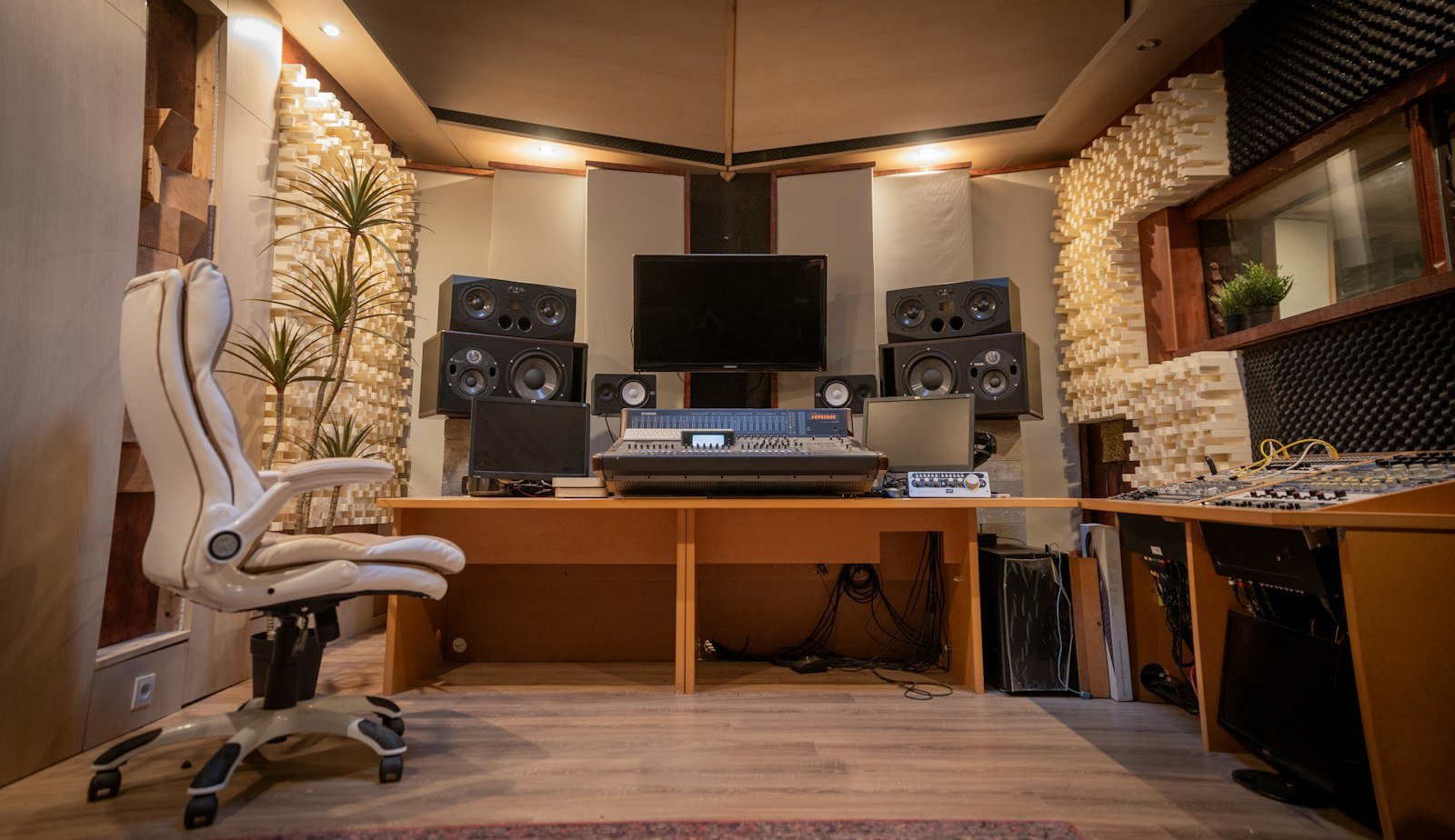
Mastering does three big jobs. First, it sets the overall loudness so your track competes with commercial releases and meets the targets used by Spotify, Apple Music and YouTube. Second, it applies subtle, broad-stroke EQ and compression to the whole mix to make it sound balanced and polished – tightening the low end, adding clarity or air, smoothing harshness. Third, it ensures translation and consistency: the song needs to sound great on earbuds, laptop speakers, car systems and club rigs alike, and every track on an EP or album needs to feel like it belongs together in volume and tone. The mastering engineer also handles technical delivery – correct formats, metadata, spacing between tracks and final quality control. Our guide on how to master a song expands on each of these steps.
Where mixing is bold and creative, mastering is precise and corrective. The best masters often sound like the engineer barely touched anything – the song simply feels finished, loud and ready.
Mixing vs Mastering: The Key Differences
The fastest way to understand the two processes is to put them side by side. Here is how mixing and mastering compare across the things that matter most.
| Factor | Mixing | Mastering |
|---|---|---|
| What it works on | All the individual tracks (vocals, drums, bass, etc.) | One finished stereo file |
| Main goal | Balance and blend elements into a cohesive song | Polish, loudness and consistency for release |
| Core tools | Balance, panning, EQ, compression, reverb, delay | Broad EQ, multiband/bus compression, limiting, metering |
| Mindset | Creative and detailed | Precise and corrective |
| Number of decisions | Hundreds, track by track | A handful, applied to the whole |
| When it happens | After recording and editing | After the mix is approved |
| Typical output | A stereo mix bounce (headroom left intact) | Distribution-ready masters for each platform |
Why Mixing Always Comes First
Mixing and mastering are not interchangeable, and the order is fixed: you mix first, then master. The reason is simple. A mastering engineer only receives the stereo bounce, so any problem baked into the mix – a vocal that is too quiet, a boomy bass, a harsh cymbal – is extremely hard to fix at the mastering stage, because the engineer can no longer touch those elements separately. Mastering can nudge the whole picture; it cannot rescue a broken balance.
This is also why a good mix leaves headroom. Instead of pushing the mix to maximum volume, the mix engineer leaves a few decibels of space (a common rule of thumb is a peak around -6 dB and loudness around -14 to -18 LUFS). That headroom gives the mastering engineer room to work. If you want to understand the full journey from recording to a finished release, our overview of music production in Dubai shows where mixing and mastering fit in the wider workflow.
Do You Need Both Mixing and Mastering?
For any release you intend to put on streaming platforms, the honest answer is yes. Mixing makes your song sound good; mastering makes it sound good everywhere and at competitive loudness. Skipping mastering is the most common mistake independent artists make – they upload a raw mix that is quieter and duller than the tracks around it in a playlist, and listeners feel the drop in energy even if they cannot name why.
There are a few exceptions. A quick reference demo, a rough draft for feedback, or a scratch version shared privately does not need mastering. But the moment a song is going public – a single, an EP, a sync pitch, a track you are proud of – both stages are worth doing properly. According to audio software maker iZotope’s primer on mixing and mastering, the two are distinct disciplines precisely because each solves problems the other cannot.
Should the Same Person Mix and Master?
Traditionally, mixing and mastering were done by different engineers in different rooms, and for one good reason: fresh ears. A mastering engineer who did not mix the song hears it objectively and catches issues the mix engineer has become numb to after hours on the session. That outside perspective is genuinely valuable, especially on a flagship single.
In modern workflows, though, it is increasingly common and completely legitimate for one experienced producer to handle both – particularly when they have the monitoring, the room and the discipline to step away and return with fresh ears. The advantage is cohesion and speed: the person who shaped the mix knows exactly what the master needs, and there is no back-and-forth between two parties. What matters is not how many people are involved but whether each stage is done to a professional standard. If you are weighing this up for your own release, it usually comes down to budget, timeline and how important that single objective listen is to you.
Mixing and Mastering at G Studio
At G Studio on Palm Jumeirah, mixing and mastering are handled by George Yukhanov – a multi-platinum songwriter, composer and producer with more than 20 years in music, 500M+ views and 50M+ streams across his catalog. He is ranked in the top 5% of songwriters and producers worldwide on Muso.ai, with 130+ songwriting and 85+ production credits, and he is the rare multi-platinum producer who works openly with beginners as well as established artists.
That matters for your song. When the same ears that understand commercial songwriting also handle your mix and master, the decisions serve the music, not just the meters. Sessions run through a premium signal chain built around a Neumann U87 and Tube-Tech MP2A, and the studio takes a track from a raw multitrack to a polished, release-ready master. Studio time is 450 AED per hour with an engineer or 600 AED per hour working directly with George, and full song-production from scratch starts from $5,000. Whether you are finishing a mix you recorded elsewhere or starting a song from the first idea, you can book through the G Studio home page and bring your project up to a professional standard.
Frequently Asked Questions
What is the difference between mixing and mastering?
Mixing balances and blends all the separate tracks in a song – vocals, drums, bass and more – into one cohesive stereo file. Mastering takes that finished stereo file and polishes it for loudness, tonal balance and consistency so it translates well on every system. Mixing works on many tracks; mastering works on one.
Does mixing or mastering come first?
Mixing always comes first. The mastering engineer only receives the final stereo mix, so the balance between instruments and vocals has to be finished and approved before mastering begins.
Can you master a song without mixing it first?
Not properly. Mastering can only adjust the whole mix as one file; it cannot fix a vocal that is buried or a bass that is too loud, because those are separate tracks that only exist at the mixing stage. A weak mix will always limit the master.
How much do mixing and mastering cost in Dubai?
At G Studio, studio time is 450 AED per hour with an engineer or 600 AED per hour working directly with George Yukhanov, and the final price depends on the number of tracks and the state of your session. Full song-production from scratch starts from $5,000.
Can the same engineer mix and master a song?
Yes. While some artists prefer a separate mastering engineer for a fresh, objective listen, an experienced producer with the right room and monitoring can deliver both stages to a professional standard, with the benefit of cohesion between the mix and the master.
Do I need mastering if my mix already sounds good?
For any public release, yes. Mastering brings your track up to competitive loudness, ensures it sounds consistent across all devices, and makes it sit comfortably next to commercial songs in a playlist. A great mix still benefits from that final polish.