The best kids music lessons in Dubai teach children to create music, not only to repeat it. In a studio-based programme a child learns singing, writes simple songs and makes beats, and every few weeks records something real they can share with family. That finished result is what keeps children motivated. I run kids lessons inside G Studio on Palm Jumeirah, and this guide explains how they work, what age to start and how to tell whether a programme is right for your child.
Why a Recording Studio Instead of a Classroom
Most music schools follow a long path: scales, theory, exams, and maybe a concert at the end of the year. Many children quit before they reach the fun part. In a recording studio, the fun part comes first. A child sings a line into a Neumann microphone, hears it back on studio monitors, and immediately wants to do it better. Practice stops being homework and becomes part of making their own song.
It also teaches skills a classroom cannot: listening critically, working with feedback, and finishing a project. Those habits carry into school and everything else.
Lesson Formats Compared
| Format | What the child does | Age | Outcome |
|---|---|---|---|
| Singing lessons | Breathing, pitch, confidence at the mic, performance | 5+ | A recorded song every few weeks |
| Songwriting | Writing lyrics and melodies about their own life | 8+ | Original songs the child is proud of |
| Music production (Ableton Live) | Beats, chords, arranging, recording, mixing basics | 10+ | A finished track released or premiered for family |
| One-off studio experience | A single session recording a song | 5+ | A song and a memory, great as a gift |
Singing Lessons for Children
Children’s voices are still developing, so lessons focus on healthy habits: breathing low and calmly, singing in a comfortable range, never pushing or shouting. We use games instead of drills. A child who thinks they are “playing at being a pop star” will happily repeat a phrase ten times. Each block ends with a short recording, so progress is audible to the child and to parents.
Songwriting for Kids
Songwriting is where shy children often blossom. Writing about their dog, their best friend or their first day at a new school gives them something to say. As a multi-platinum songwriter, I teach them the same structure I use with professional artists: a strong hook, simple verses with real details, and a chorus anyone can sing after one listen.
Music Production for Teens and Pre-Teens
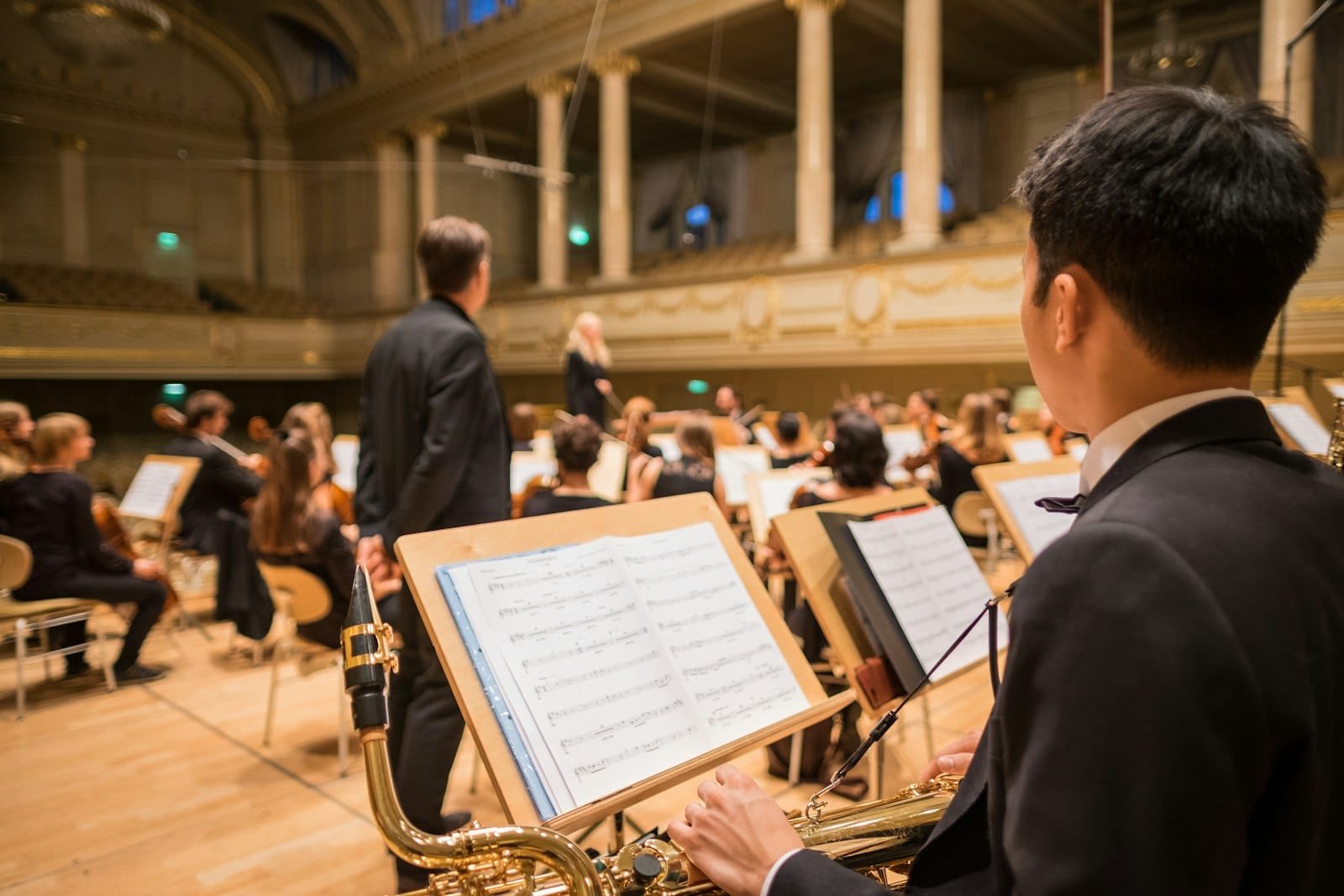
From around ten years old, children can learn production in Ableton Live. I teach a 16-lesson plan: four lessons on beats and rhythm, four on chords and arrangement, four on recording and sound design, and four on mixing and release, ending with a premiere of the child’s own track in the studio for their parents. Children who already play an instrument progress especially fast. You can see what the programme looks like on our music for kids in Dubai page.
What Age Should a Child Start?
Ages 5 to 7
Short, playful singing sessions of 30 to 45 minutes. The goal is joy and confidence, not technique.
Ages 8 to 11
Singing plus songwriting. Children this age love creating stories and can hold a 60-minute lesson.
Ages 12 and up
Full production, more serious vocal technique, and for some, their first release on streaming platforms.
How Parents Can Tell a Programme Is Working
- Your child talks about the song between lessons without being asked.
- They sing more at home and are less shy in front of family.
- There is a recorded result every few weeks you can actually listen to.
- The teacher explains progress in simple words, not jargon.
- Your child wants to come back.
Benefits Beyond Music
Studies on music education link learning music with better listening, memory and language skills, and with confidence when performing in front of others. The overview of music education on Wikipedia summarises much of this research. In my experience, the biggest change is confidence: a child who has heard their own voice on a finished song stands differently.
Busy Parents in Dubai
Many parents in Dubai look for meaningful activities for their children after school and on weekends, instead of more screen time. Studio lessons are one of the few activities where the child leaves with something they created. Lessons are scheduled around school timetables, and parents are welcome to watch the last ten minutes when the child plays back what they recorded.
A Typical Lesson, Step by Step
Parents often ask what actually happens in the room. A 45 to 60 minute lesson for a child usually follows a simple rhythm:
- Warm-up games (5-10 minutes). Breathing, humming and rhythm games that wake up the voice and the attention.
- Skill of the day (15 minutes). One clear goal: holding a note, clapping a rhythm, finding a chord on the keyboard.
- The song (20 minutes). Applying the skill to a song the child loves. This is where motivation comes from.
- Recording moment (5-10 minutes). A short take on a real studio microphone, so the child hears progress week by week.
- Home task (2 minutes). Something small and fun to repeat before the next lesson.
How Often and How Long
For most children, one lesson a week is the right start. Twice a week works well before a performance or a recording. Consistency matters more than intensity: ten minutes of practice at home on most days does more than one long session on Sunday. Expect visible progress in confidence within the first month and in technique within three months.
Practising at Home Without Pressure
The best thing parents can do is make music a normal part of the home, not a chore. Sing in the car together. Ask the child to perform the new song for the family on Friday. Praise effort rather than perfection. If practice turns into conflict, tell the teacher; it usually means the material needs to change, not that the child is not musical.
Signs Your Child Is Ready for the Next Step
After a few months, many children start asking for more. Watch for these signals:
- They sing or play without being asked, and start making up their own melodies.
- They want to record a song from start to finish, not just practise it.
- They ask how a favourite song was made, or start experimenting with beats on a phone or tablet.
- They are comfortable performing for family and friends.
At that point, a real project gives them a goal: writing and recording their own song, a cover for a school event, or a duet with a friend. Finishing a song in a professional studio is a huge confidence boost, and it shows the child that music is something they can create, not only consume. Some families turn this into a birthday present; my guide on a custom song for a child in Dubai explains how that works.
Music lessons also work well alongside other activities. Children who play sport or study languages often find music a creative balance to a structured week, and the skills transfer: rhythm helps in sport, listening helps in languages, and performing helps everywhere.
Above all, keep it joyful. A child who loves music at eight will keep coming back to it for life, even through busy school years.
How to Choose a Kids Music Teacher
Ask three questions. Has the teacher made music that real audiences listen to? Will my child record and finish songs, or only practise? Can I hear examples from other children? At G Studio, the lessons are led by a producer with 20+ years in the industry and multi-platinum records, which is rare for children’s education anywhere, not only in Dubai. If your child has never sung in a studio, start with a single session and see how they feel. Read more about singing lessons in Dubai or message us from the G Studio homepage.
Frequently Asked Questions
What age can children start music lessons at G Studio?
Singing lessons start from about five years old, songwriting from about eight and music production in Ableton from about ten.
How long is a kids music lesson?
30 to 45 minutes for younger children and 60 minutes from about age eight.
Will my child record real songs?
Yes. Every few weeks children record a song or a track, so progress is audible and something to share with family.
Does my child need to know music theory?
No. Theory is taught through making songs, not before it.
Can children learn music production?
Yes. From about ten years old children can follow a 16-lesson Ableton Live plan that ends with their own finished track.
Can I try a single session first?
Yes. A one-off studio session is a good way to see whether your child enjoys it before committing to regular lessons.
About the Author
George Yukhanov is a multi-platinum songwriter, composer and music producer with 20+ years in music, 500M+ views and 50M+ streams, ranked in the top 5% of songwriters and producers worldwide on Muso.ai. He runs G Studio, a private recording studio on Palm Jumeirah in Dubai, and is one of the rare producers at this level who works openly with beginners.