

To make a lo-fi beat, start with a slow, relaxed tempo (usually 60-90 BPM), lay down a warm jazzy chord progression using seventh chords, program loose unquantized drums with a light swing, add a simple melody and a soft bass, then finish with the textures that define the genre: vinyl crackle, tape warmth, gentle filtering and a little pitch wobble. The whole point of lo-fi is imperfection that feels human and calm. This guide walks you through every step, the gear you actually need, the mistakes beginners make, and how a professional studio can help you turn a rough loop into a release-ready track.
Table of Contents
- What Is a Lo-Fi Beat?
- What You Need to Make a Lo-Fi Beat
- How to Make a Lo-Fi Beat: Step by Step
- Lo-Fi Beat Elements at a Glance
- Common Mistakes to Avoid
- Making a Lo-Fi Beat in a Dubai Studio
- Frequently Asked Questions
What Is a Lo-Fi Beat?
Lo-fi (short for “low fidelity”) is a style of music built around a warm, slightly imperfect sound. Instead of chasing pristine, polished audio, lo-fi leans into the character of old tape machines, dusty vinyl records and softly detuned instruments. The result is calm, nostalgic and easy to listen to, which is why lo-fi hip hop has become the soundtrack for studying, working and relaxing for millions of listeners.
Musically, a lo-fi beat usually sits at a slow tempo, uses jazzy or soulful chords, and keeps the drums loose rather than perfectly on the grid. The magic is in the details that would be considered “flaws” in a chart-pop production: vinyl crackle, a muffled high end, a gentle pitch wobble and a bassline that breathes. Those imperfections are what make it feel human.
What You Need to Make a Lo-Fi Beat
The good news is that lo-fi is one of the most beginner-friendly genres to produce. You do not need an expensive studio to start. Here is the short list:
- A DAW (digital audio workstation) such as Ableton Live, FL Studio, Logic Pro or GarageBand. Any of them can make lo-fi.
- A MIDI keyboard is helpful for playing chords, but you can also draw notes in with a mouse.
- Headphones or monitors so you can hear the low end and the texture clearly.
- Sounds: a soft piano or electric piano (Rhodes), a warm bass, a simple drum kit, and a vinyl-crackle or tape sample.
That is genuinely enough to make a finished loop. Everything beyond that – a real microphone, analog outboard gear, a treated room – is about elevating the sound, which is where a professional studio comes in later.
How to Make a Lo-Fi Beat: Step by Step
Step 1: Set a Slow, Relaxed Tempo
Lo-fi lives in the 60-90 BPM range, with the sweet spot for most lo-fi hip hop around 70-85 BPM. Set your tempo on the low side before you write anything – it changes how you play. A slow tempo gives every note room to ring out and makes the groove feel unhurried, which is the emotional core of the genre.
Step 2: Write a Warm Chord Progression
Chords are the heart of a lo-fi beat. Reach for seventh and ninth chords (maj7, min7, dom7) rather than plain major and minor triads – they give that jazzy, slightly wistful color. A classic starting point is a ii-V-I progression on a Rhodes or soft piano. Play the chords loosely, let them overlap a little, and do not quantize them perfectly. A tiny amount of timing drift is exactly what you want.
Step 3: Program Loose, Swung Drums
Lo-fi drums are soft and laid-back. Use a dusty-sounding kick, a short snare or rimshot, and closed hats. The key move is to pull the snare and hats slightly off the grid (or add swing) so the groove feels human rather than robotic. Keep the drums quiet in the mix – in lo-fi they support the vibe, they do not dominate it.
Step 4: Add a Simple Melody
Over your chords, add one simple melodic line – a few notes on a piano, a muted guitar, a soft synth or a sampled instrument. Less is more. A great lo-fi melody often repeats a short, memorable phrase rather than showing off. Leave space so the listener’s ear can rest.
Step 5: Lay Down a Soft Bassline
Add a warm, rounded bass that follows the root of each chord. Keep it simple and let it sit just behind the beat. A sine or soft electric bass works beautifully. The bass glues the chords and drums together and gives the track its body.
Step 6: Add the Lo-Fi Textures
This is the step that turns a clean loop into a lo-fi beat. Layer in vinyl crackle or a tape-hiss sample underneath everything. Add a touch of pitch wobble (a slow LFO on pitch, or a tape/wow-flutter plugin) to a melodic element. Roll off some of the high frequencies with a low-pass filter so the track sounds slightly muffled and warm, like it is playing from another room. A little saturation adds the final analog grit.
Step 7: Mix for Warmth, Not Loudness
Lo-fi is not about being loud. Balance the levels so the chords and melody sit on top, the drums and bass support, and the texture sits quietly underneath. Use gentle EQ to tame harshness, light compression to glue the groove, and leave plenty of headroom. The goal is a soft, cohesive, cozy sound – not a wall of volume.
Lo-Fi Beat Elements at a Glance
Here is a quick reference for the core elements of a lo-fi beat and the typical choices for each:
| Element | Typical Choice | Why It Works |
|---|---|---|
| Tempo | 60-90 BPM (sweet spot 70-85) | Slow and relaxed sets the calm mood |
| Chords | maj7, min7, 9th chords (jazzy) | Warm, nostalgic, slightly wistful color |
| Drums | Soft kick, rimshot, swung hats | Loose, human groove instead of robotic |
| Melody | Simple repeating phrase | Leaves space, easy to listen to |
| Bass | Warm, rounded, follows the root | Glues the track and adds body |
| Texture | Vinyl crackle, tape hiss, wobble | Adds the signature nostalgic character |
| Mix | Low-pass filtering, light saturation | Warm, muffled, cozy sound |
Common Mistakes to Avoid
- Making it too clean. If your beat sounds crisp and modern, it is not lo-fi yet. Embrace the filtering, crackle and warmth.
- Over-quantizing. Perfectly gridded drums and chords kill the human feel. Let the timing breathe.
- Too many elements. Lo-fi is minimal. If the arrangement feels busy, remove something.
- Drums too loud. In lo-fi the drums support the mood; they should not punch through like a trap beat.
- Using plain triads. Swap basic major and minor chords for seventh and ninth chords to get the jazzy color the genre is known for.
Making a Lo-Fi Beat in a Dubai Studio
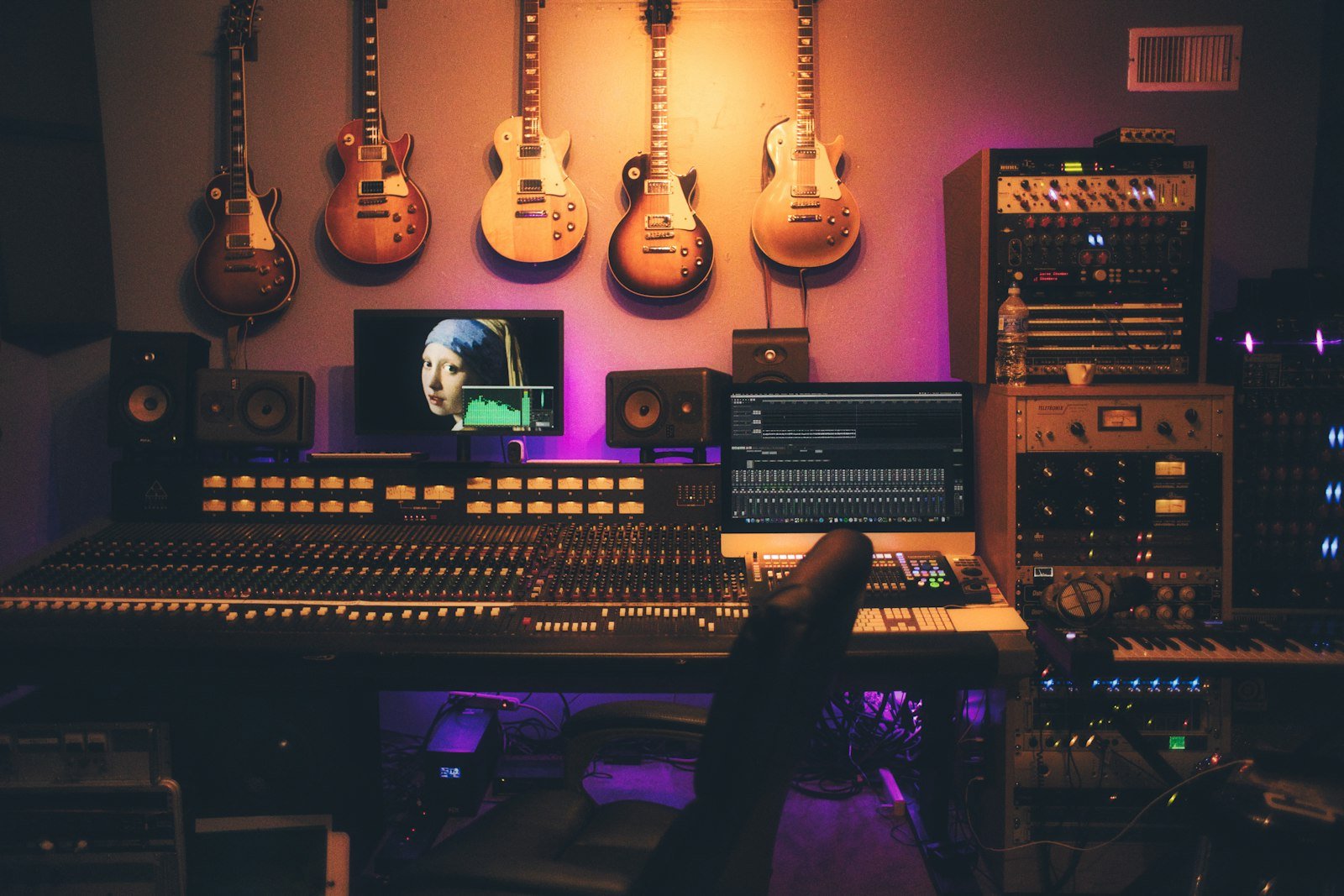
You can absolutely start a lo-fi beat on a laptop, and many great tracks begin exactly that way. But there is a point where a professional studio makes a real difference: recording a live instrument through a warm signal chain, capturing a real vocal over your beat, or getting a final mix and master that translates well across phones, cars and streaming platforms.
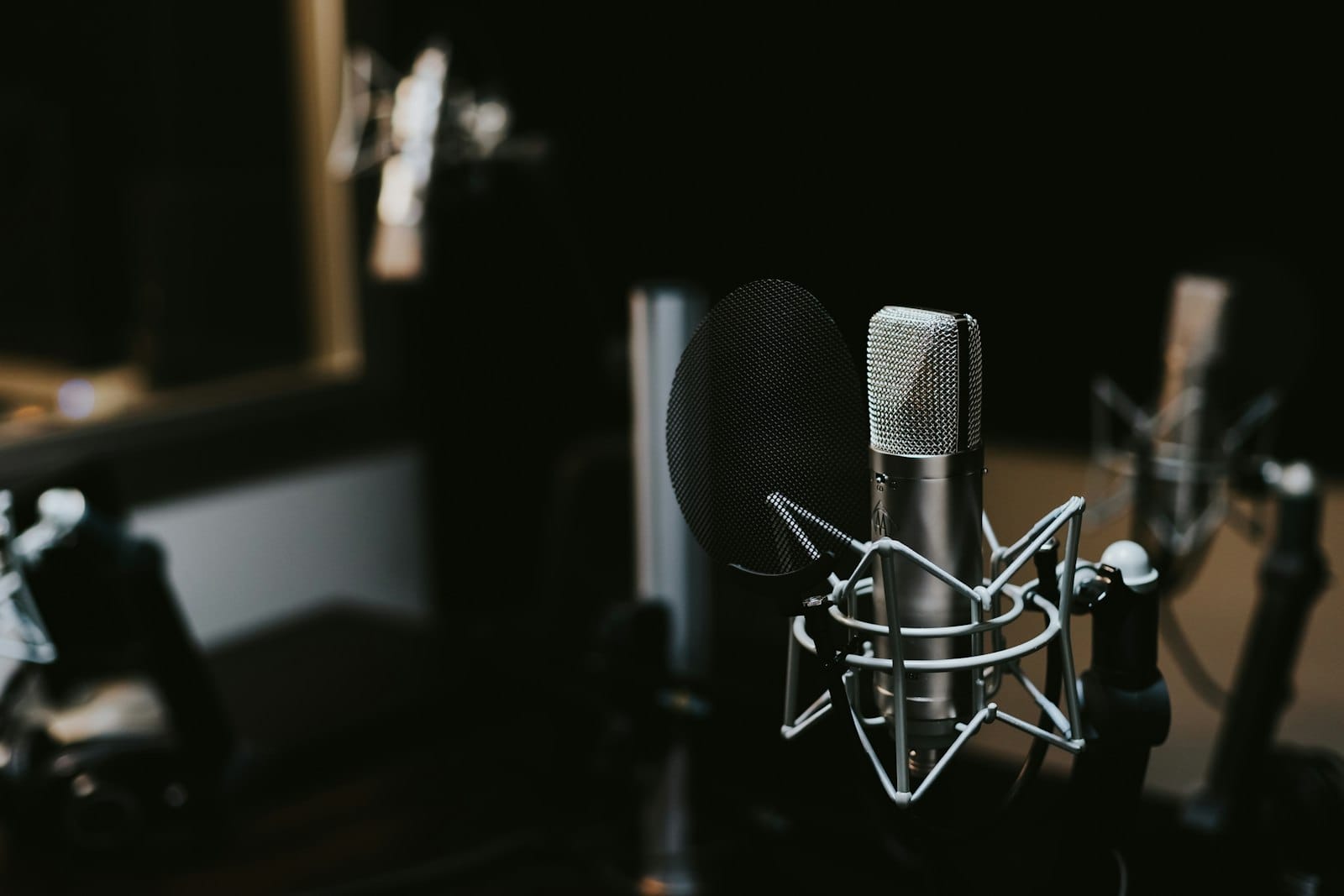
At G Studio on Palm Jumeirah, we work with producers and artists at every level – from complete beginners making their first loop to artists finishing an EP. If you want to record real instruments or vocals over your beat, our vocal recording room is built around a Neumann U87 and a Tube-Tech chain, and our mixing and mastering service gives your track the final polish while keeping that intentional lo-fi warmth. If your next step after lo-fi is a harder-hitting style, our guide on how to make a trap beat is a good companion read.
For more on the craft and philosophy behind production, the broader history of lo-fi music is a worthwhile rabbit hole.
Frequently Asked Questions
What BPM should a lo-fi beat be?
Most lo-fi beats sit between 60 and 90 BPM, with lo-fi hip hop usually landing around 70-85 BPM. The slow tempo is a big part of the relaxed, unhurried feel.
What chords are used in lo-fi music?
Lo-fi leans on jazzy extended chords – major sevenths, minor sevenths, dominant sevenths and ninths – rather than plain triads. A ii-V-I progression on a Rhodes or soft piano is a classic starting point.
Do I need expensive gear to make lo-fi?
No. A laptop with any DAW, a pair of headphones and a few good samples is enough to make a finished lo-fi loop. Better gear and a treated room help when you record real instruments or vocals and want a professional master.
How do I get that vintage vinyl sound?
Layer a vinyl-crackle or tape-hiss sample under your beat, roll off the high frequencies with a low-pass filter, add a slow pitch wobble, and use light saturation. Together these create the warm, dusty, nostalgic character of lo-fi.
How long does it take to make a lo-fi beat?
A simple lo-fi loop can come together in under an hour once you know the workflow. Turning that loop into a fully arranged, mixed and mastered track takes longer – and that is where a studio can save you time and lift the quality.
Can I record vocals over a lo-fi beat in Dubai?
Yes. A lo-fi beat is a great bed for soft, intimate vocals. A professional studio lets you capture a warm vocal and blend it into the beat so it keeps the lo-fi feel while sounding polished and release-ready.
About the Author
George Yukhanov is a multi-platinum, award-winning songwriter, composer and producer with over 20 years in music, ranked among the top 5% of producers worldwide. He is the rare multi-platinum producer who works openly with newcomers, and he runs G Studio, a premium recording studio on Palm Jumeirah in Dubai, where he produces songs, develops artists and teaches the craft of music.