
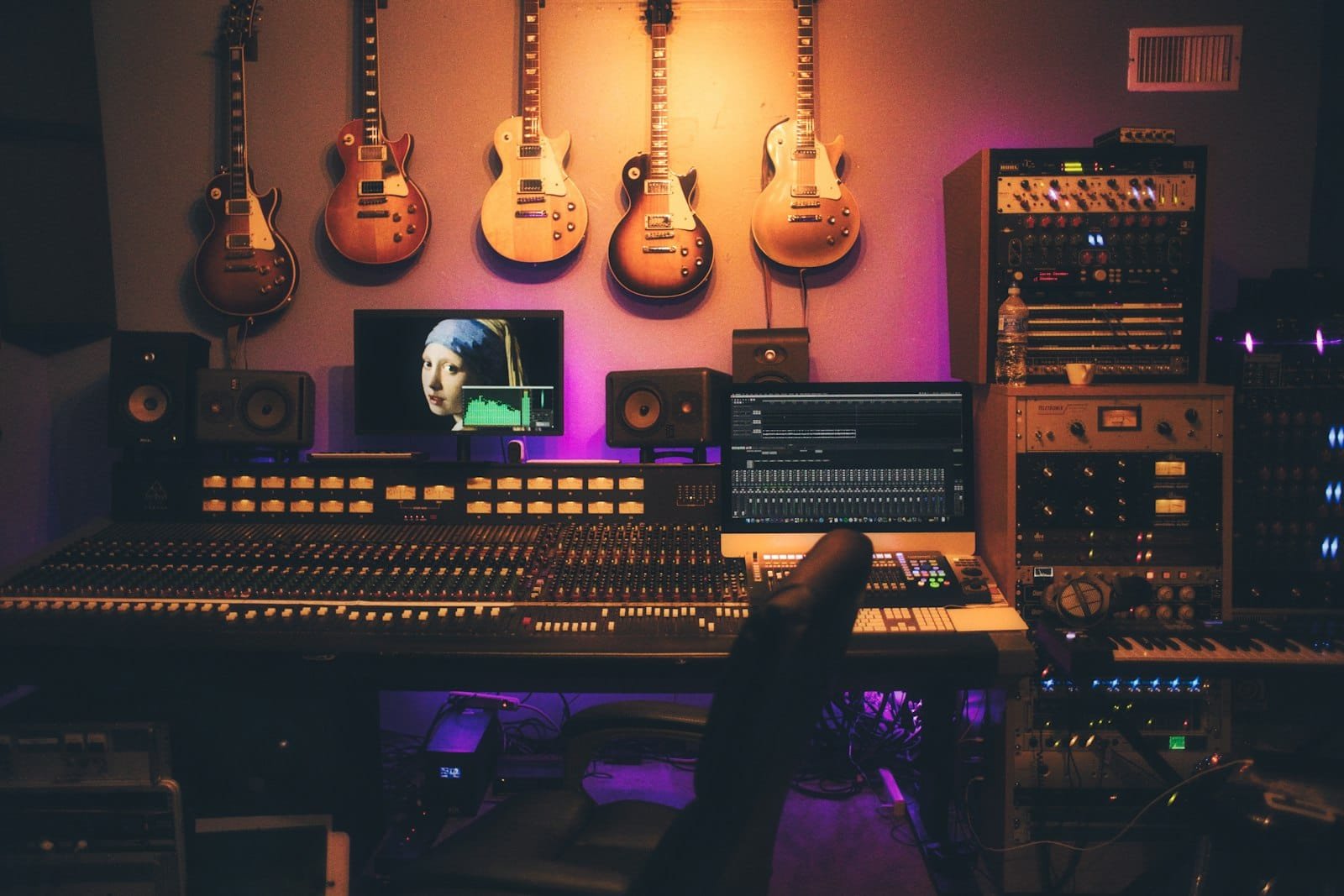
To add reverb to vocals, send the vocal to a reverb on an aux (bus) channel instead of putting it directly on the track, choose a plate or room algorithm, set a short pre-delay of about 20-40 ms so the words stay clear, match the decay to the song (roughly 1-2 seconds for most pop vocals), high-pass the reverb return below ~300 Hz and roll off the top above ~8 kHz, then raise the send until you can feel the space but still hear every word. That is the whole idea in one breath: reverb should make a voice sound like it belongs in a room, not like it is drowning in one.
Below is the same approach we use at G Studio on Palm Jumeirah, broken down so you can apply it in any DAW tonight.
Table of contents
- What reverb actually does to a vocal
- Reverb types for vocals (comparison table)
- How to add reverb to vocals, step by step
- The settings that make reverb sound professional
- 5 common reverb mistakes
- Why the recording matters more than the reverb
- FAQ
What reverb actually does to a vocal
Reverb is the sound of a space. When you sing in a room, your voice bounces off the walls, floor and ceiling and returns to your ears as thousands of tiny, decaying reflections. A reverb plugin recreates those reflections artificially, which is why a dry, close-miked studio vocal can be placed in a small wooden room, a bright tiled chamber or a vast concert hall without you moving a microphone.
Used well, reverb does three jobs at once. It glues the vocal to the rest of the mix so it stops sounding pasted on top. It adds emotion and size, which is why ballads breathe and choruses feel wide. And it creates depth, pushing a voice slightly back from the listener so the mix has a sense of front-to-back space. The art is in adding just enough of all three without blurring the lyrics.
Reverb types for vocals
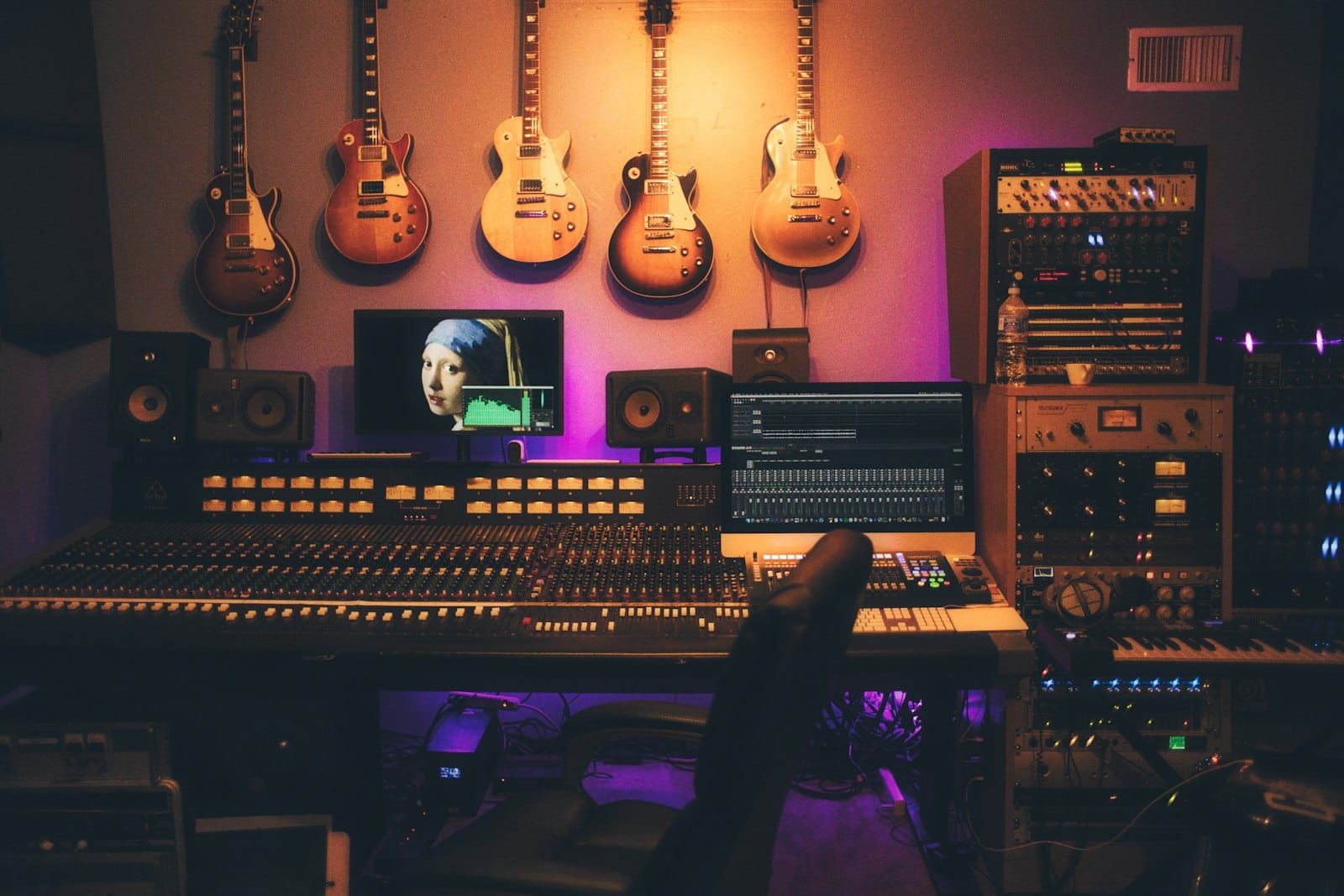
Most reverb plugins offer several algorithms. Each one models a different kind of space, and each has a classic use on vocals. You rarely need more than one or two per song.
| Reverb type | Character | Best for | Typical decay |
|---|---|---|---|
| Plate | Smooth, bright, dense, no obvious room | Pop, R&B and rock lead vocals – the default choice | 1.2-2.0 s |
| Room | Short, natural, intimate | Adding realism and glue without obvious effect | 0.4-1.0 s |
| Hall | Long, lush, large and emotional | Ballads, cinematic and orchestral moments | 1.8-3.5 s |
| Chamber | Warm, rich, somewhere between room and plate | Vintage, soul and jazz vocals | 1.0-1.8 s |
| Spring | Boingy, retro, metallic tail | Dub, surf, lo-fi and character effects | Varies |
A reliable starting point for a modern vocal is a plate for size plus a short room for glue. Blend the two on separate sends and you get width and realism without a washed-out tail.
How to add reverb to vocals, step by step
This workflow keeps your vocal clean and gives you full control over how wet it sounds.
1. Create a reverb bus (send), not an insert
Add a new aux/bus track, load a single reverb on it and set that reverb to 100% wet. Then create a send from your vocal to that bus. Working this way means every vocal layer can share the same space, you can automate the amount independently, and the dry vocal stays untouched.
2. Pick the algorithm and a preset close to your goal
Start from a plate or room preset rather than a blank patch. Presets get you 80% of the way; your job is the last 20% of shaping.
3. Set pre-delay so the words stay clear
Pre-delay is the gap between the dry word and the start of its reverb. A pre-delay of 20-40 ms lets the consonant land first and the tail arrive just after, so the vocal keeps its clarity even with a long decay. On slower songs you can push pre-delay higher.
4. Tune the decay to the tempo
The reverb tail should fade before the next phrase begins. On an up-tempo song that often means a shorter decay; on a slow ballad the tail can ring longer. If the mix sounds muddy between lines, the decay is too long.
5. EQ the reverb return
This is the step most beginners skip and the one that separates amateur from professional. High-pass the reverb below roughly 250-300 Hz so the low end stays tight, and gently roll off above 8-10 kHz so the tail is not harsh or sibilant. You are left with a clean, musical space that sits behind the voice.
6. Blend to taste with the send level
Bring the send up until you can clearly hear the space, then back it off by about 20%. Reverb is almost always more obvious in solo than in the full mix, so make the final decision with every other instrument playing.
The settings that make reverb sound professional
Beyond the basics, a few techniques turn a good vocal reverb into a polished one:
- Automate the sends. Add a touch more reverb on the last word of a line or the final chorus so the effect grows with the song instead of sitting static.
- Pair reverb with a short delay. A slap or tempo-synced delay often creates depth more transparently than reverb alone, especially on busy modern productions.
- Duck the reverb. Use a compressor on the reverb bus triggered (side-chained) by the dry vocal so the tail dips while the singer is singing and blooms in the gaps. The lyrics stay crisp; the space stays lush.
- Mono-check it. A reverb that sounds huge in stereo can collapse or smear in mono. Always check, because phones and club systems are often mono.
If you want to go deeper on reverb theory, iZotope’s engineers have a clear primer on using reverb on vocals.

5 common reverb mistakes
- Too much, too wet. If you notice the reverb before you notice the voice, it is too loud. Most hit vocals use less reverb than people expect.
- No pre-delay. Reverb that starts the instant the word does smears the consonants and buries the lyric.
- Never EQ-ing the return. An unfiltered reverb adds mud in the low mids and harshness up top. Carve it.
- One giant hall on everything. Long halls on a fast, dense song turn the mix into soup. Reach for a short room first.
- Mixing reverb in solo. The amount that feels right on a soloed vocal is almost always too much once the band comes in.
Why the recording matters more than the reverb
Here is the truth no plugin can fix: reverb only sounds as good as the vocal you feed it. A clean, well-recorded dry take in a treated room, captured on a quality chain, takes reverb beautifully. A muddy, roomy or noisy recording fights every effect you add, because you are now layering an artificial space on top of an unwanted real one.
That is why we treat the capture as the most important step. At G Studio we record through a Neumann U87 and a Tube-Tech MP2A on Palm Jumeirah, in a room built so the dry signal is pure and controlled. When the raw take is clean, adding reverb becomes the fun part rather than damage control. If you want to understand the full chain, our guide to professional vocal recording walks through it, and our mixing and mastering page covers where reverb fits in the finished track. You can also read our companion guide on how to EQ vocals, since EQ and reverb work hand in hand.
And if you are building a track from scratch, our music production team can take your idea from first demo to finished master.
Frequently asked questions
Should reverb go on the vocal track or a separate bus?
Use a separate bus (send). It keeps the dry vocal clean, lets every vocal layer share one space, and makes it easy to automate and EQ the reverb on its own.
How much reverb should I put on a lead vocal?
Less than you think. Raise the send until the space is clearly audible, then pull it back about 20%, and always judge it in the full mix rather than in solo.
What reverb is best for pop vocals?
A plate reverb with a decay around 1.2-2 seconds and a short pre-delay is the industry default. Add a short room underneath it for extra realism.
Why do my vocals sound muddy with reverb?
Usually the decay is too long or the reverb return is not filtered. Shorten the tail and high-pass the reverb below ~300 Hz so it stops clouding the low mids.
What is pre-delay and why does it matter?
Pre-delay is the short gap before the reverb tail begins. Setting it to 20-40 ms keeps the dry word intelligible while still giving the vocal a sense of space.
Can I add reverb while recording?
Give the singer reverb in their headphones so they feel comfortable, but record the vocal dry. Printing reverb onto the recording removes your ability to change it later.
About the author. George Yukhanov is a multi-platinum, award-winning songwriter, composer and producer with more than 20 years in music and hundreds of millions of streams and views across his work. He ranks among the top 5% of producers worldwide and is one of the rare multi-platinum producers who works openly with newcomers, from first-time singers to independent artists. He produces and records at G Studio, his private studio on Palm Jumeirah in Dubai.